Wiring Diagram Of A Thermostat – Master Your Electrical System Better with a Detailed Electrical Schematic
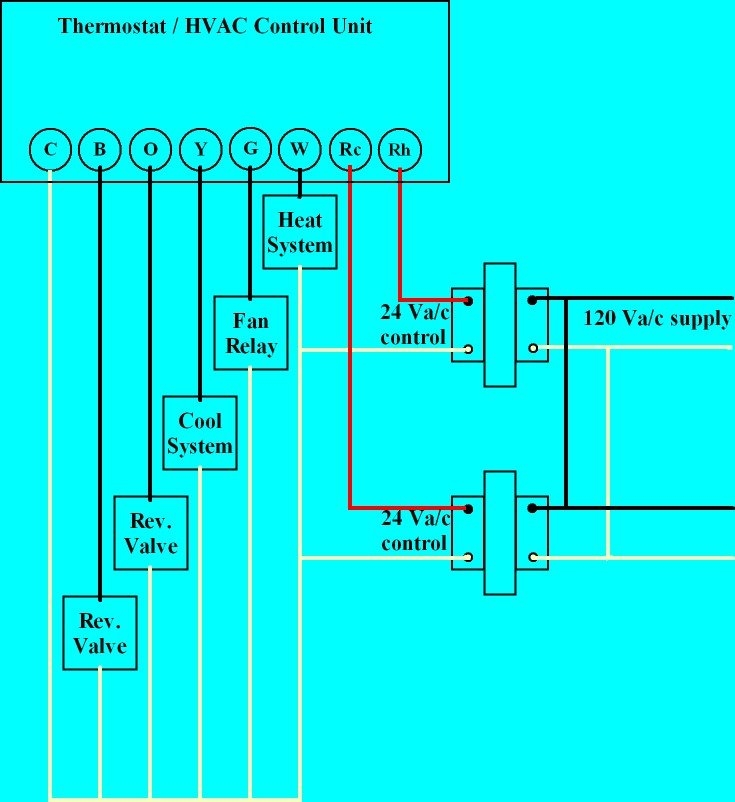 Wiring Diagram Of A Thermostat
Thermostats are essential components in heating and cooling systems that help regulate temperature and maintain comfort in homes and buildings. Understanding the wiring diagram of a thermostat is crucial for proper installation and troubleshooting. In this article, we will discuss the basic wiring diagram of a thermostat and how it functions.
Before we dive into the wiring diagram, it’s important to note that thermostats come in different types, such as programmable, non-programmable, digital, or mechanical. Each type may have slightly different wiring configurations, so it’s essential to refer to the manufacturer’s instructions for specific details.
Whether you’re involved in a DIY home upgrade or fixing your vehicle, having a well-drawn and reliable wiringdiagram is essential. It helps you visualize how circuit elements are connected and ensures a secure, smooth setup.
Whether you’re a freelancer, administrator, or sole proprietor, using apayroll printable helps ensure compliance with regulations. Simply get the template, print it, and fill it out by hand or edit it digitally before printing.
A wiring diagrams visually represents current paths, showing the paths for current flow and how different modules like switches, outlets, fuses, and terminals interact. This makes it easier to spot errors, improve installations, or set up circuits without confusion.
Wiring Diagram Of A Thermostat
Many resources offer complimentary or editable wiringdiagram templates for cars, household electronics, lighting systems, and more. These diagrams are particularly helpful for hobbyists, electricians, and engineers who need trustworthy references.
By using a proper Wiring Diagram Of A Thermostat, you reduce the risk of errors, increase efficiency, and ensure all electrical work is in compliance. Don’t start your next project blindly—search for a professional wiring diagrams and design with clarity today!
Get and Print Wiring Diagram Of A Thermostat
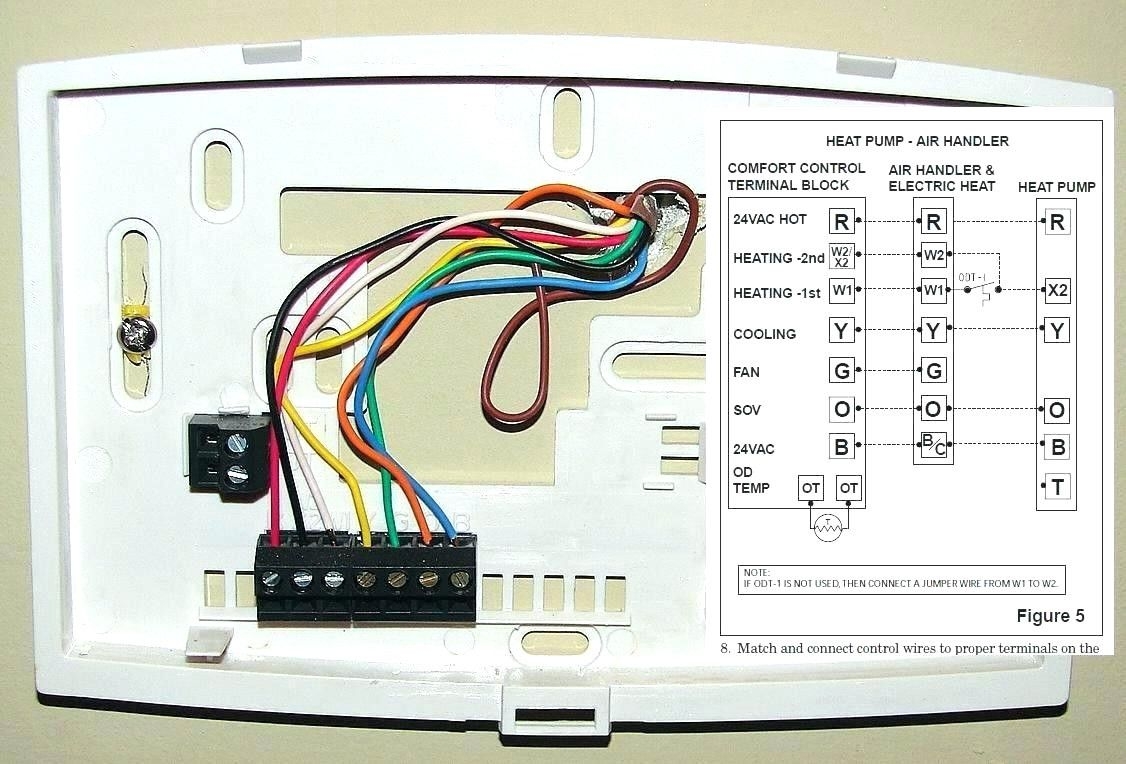 Sensi Thermostat Wiring Diagram Heat Pump
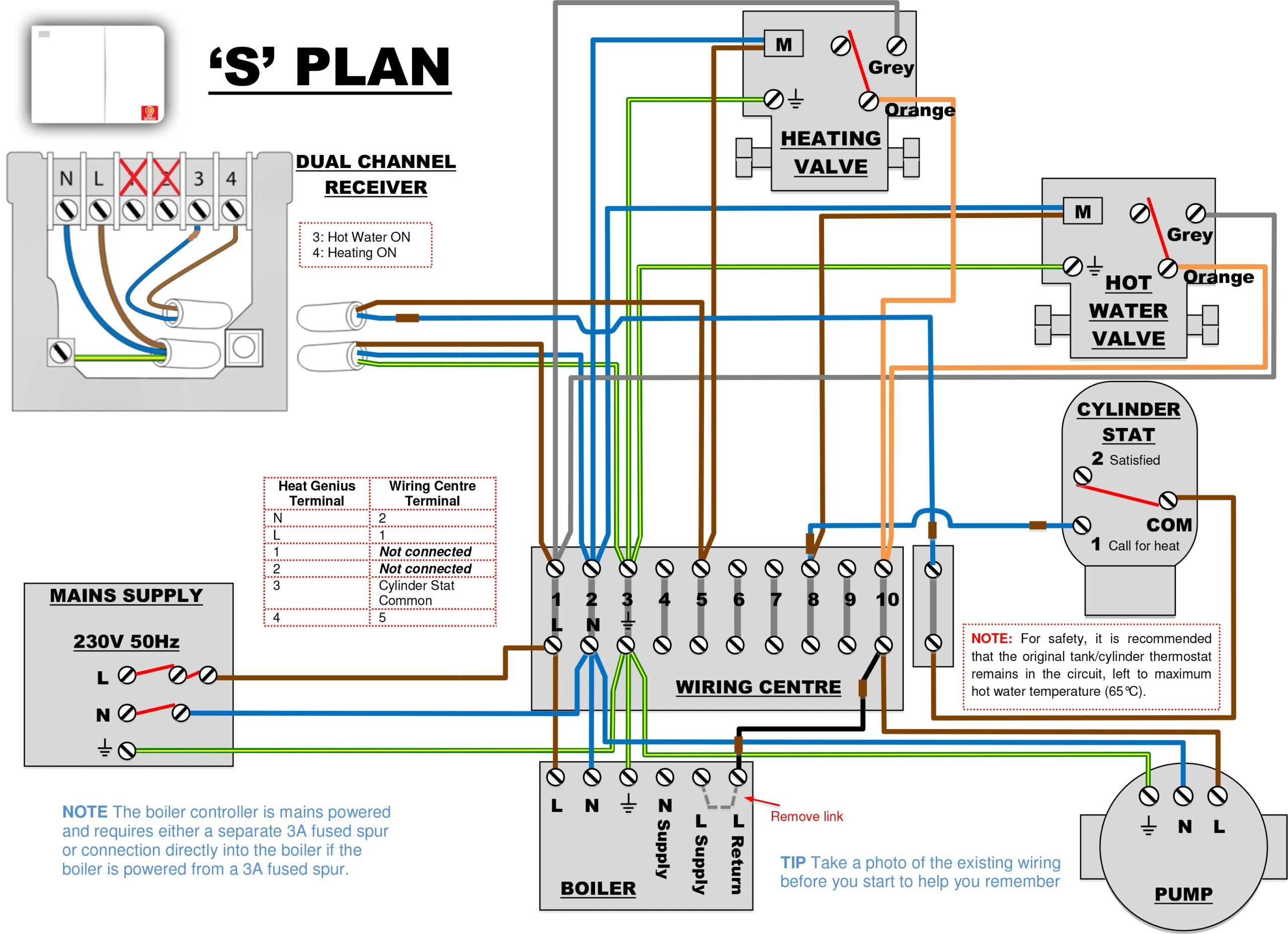 Wiring A Thermostat Heat Pump
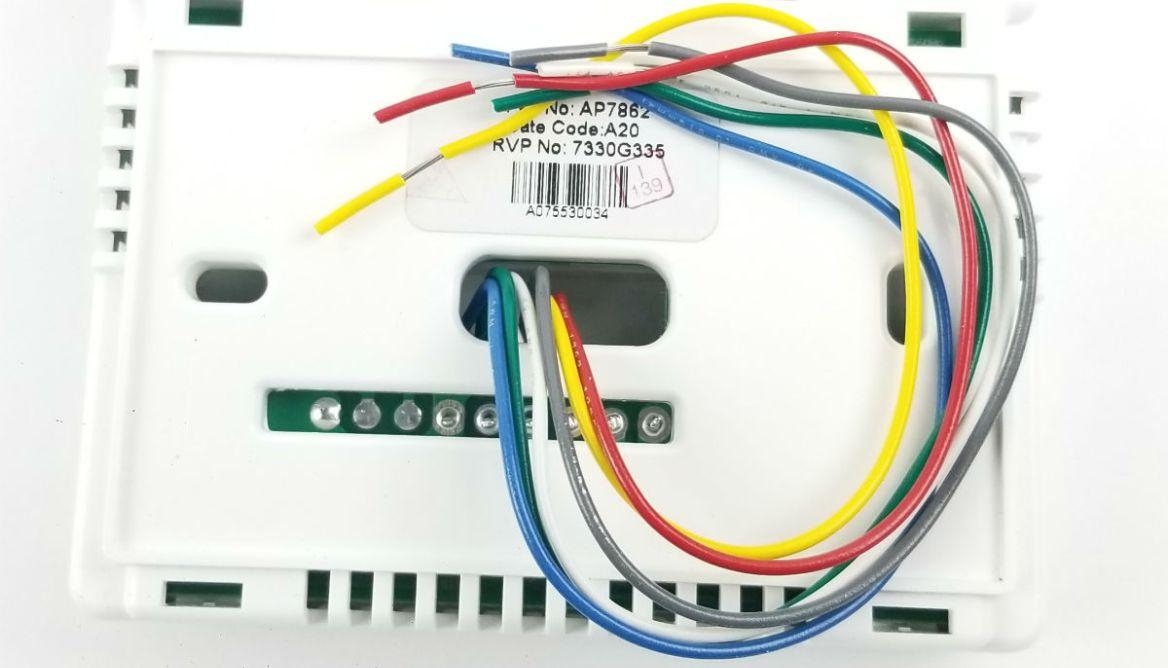 Wiring Diagram For Coleman Mach Thermostat
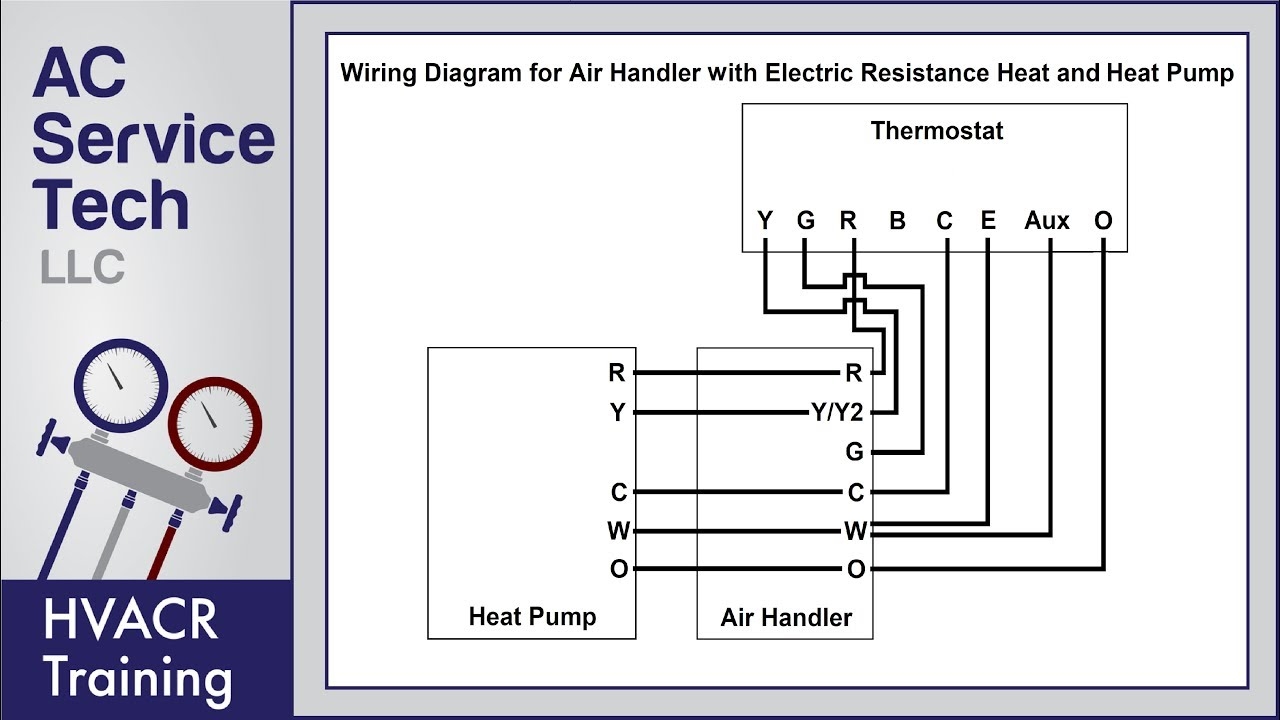 DIAGRAM Digital Circuit Board Wiring Diagram Thermostat MYDIAGRAM
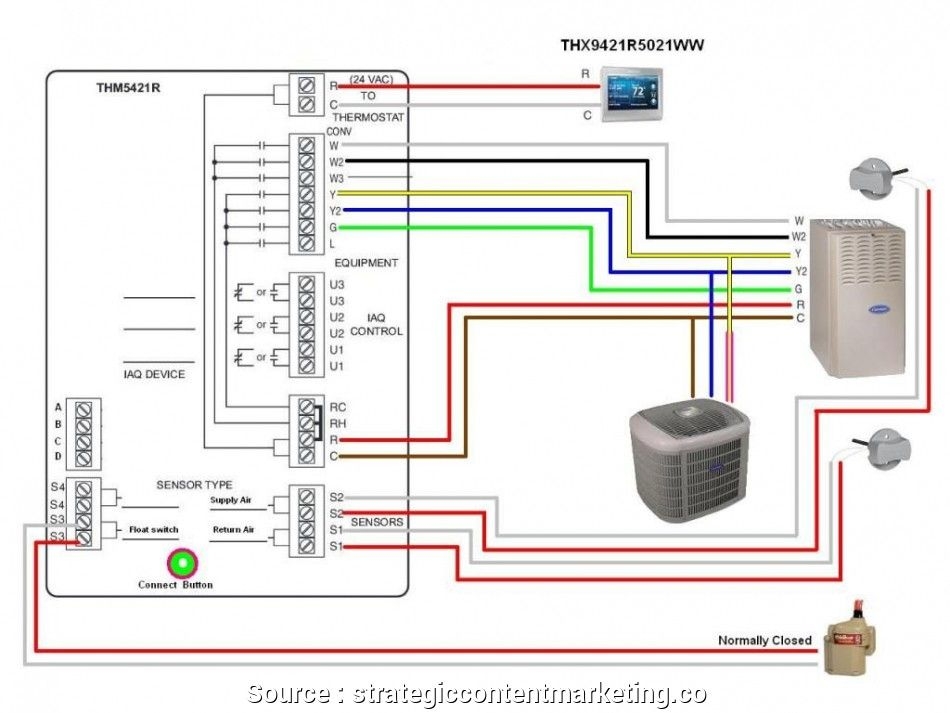 Dart Wiring Carrier Ac Thermostat Wiring Diagram
Wiring Diagram Of A Thermostat
The wiring diagram of a thermostat typically consists of terminals labeled with letters or numbers, which correspond to specific functions. For example, the common terminals are labeled “R” for power, “W” for heating, “Y” for cooling, and “G” for the fan. These terminals are connected to the corresponding wires from the heating and cooling systems.
When installing a thermostat, it’s crucial to match the wires from the heating and cooling systems to the correct terminals on the thermostat. Incorrect wiring can result in system malfunctions or damage. It’s also essential to turn off power to the heating and cooling systems before beginning the installation process to prevent accidents.
In addition to the basic terminals, some thermostats may have additional terminals for features like auxiliary heat, emergency heat, or humidity control. These terminals are typically labeled accordingly, and the manufacturer’s instructions should provide guidance on how to wire these additional features properly.
Once the thermostat is wired correctly, it can be programmed or set to the desired temperature settings. The thermostat will then signal the heating or cooling system to turn on or off based on the temperature readings, maintaining a comfortable indoor environment. Regular maintenance and calibration of the thermostat are recommended to ensure accurate temperature control.
In conclusion, understanding the wiring diagram of a thermostat is essential for proper installation and operation of heating and cooling systems. By following the manufacturer’s instructions and matching the wires to the correct terminals, you can ensure that your thermostat functions correctly and efficiently. If you encounter any issues or are unsure about the wiring, it’s best to consult a professional HVAC technician for assistance.