Nest Wiring Diagram – Learn About Your Electrical System Better with a Accurate WiringDiagram
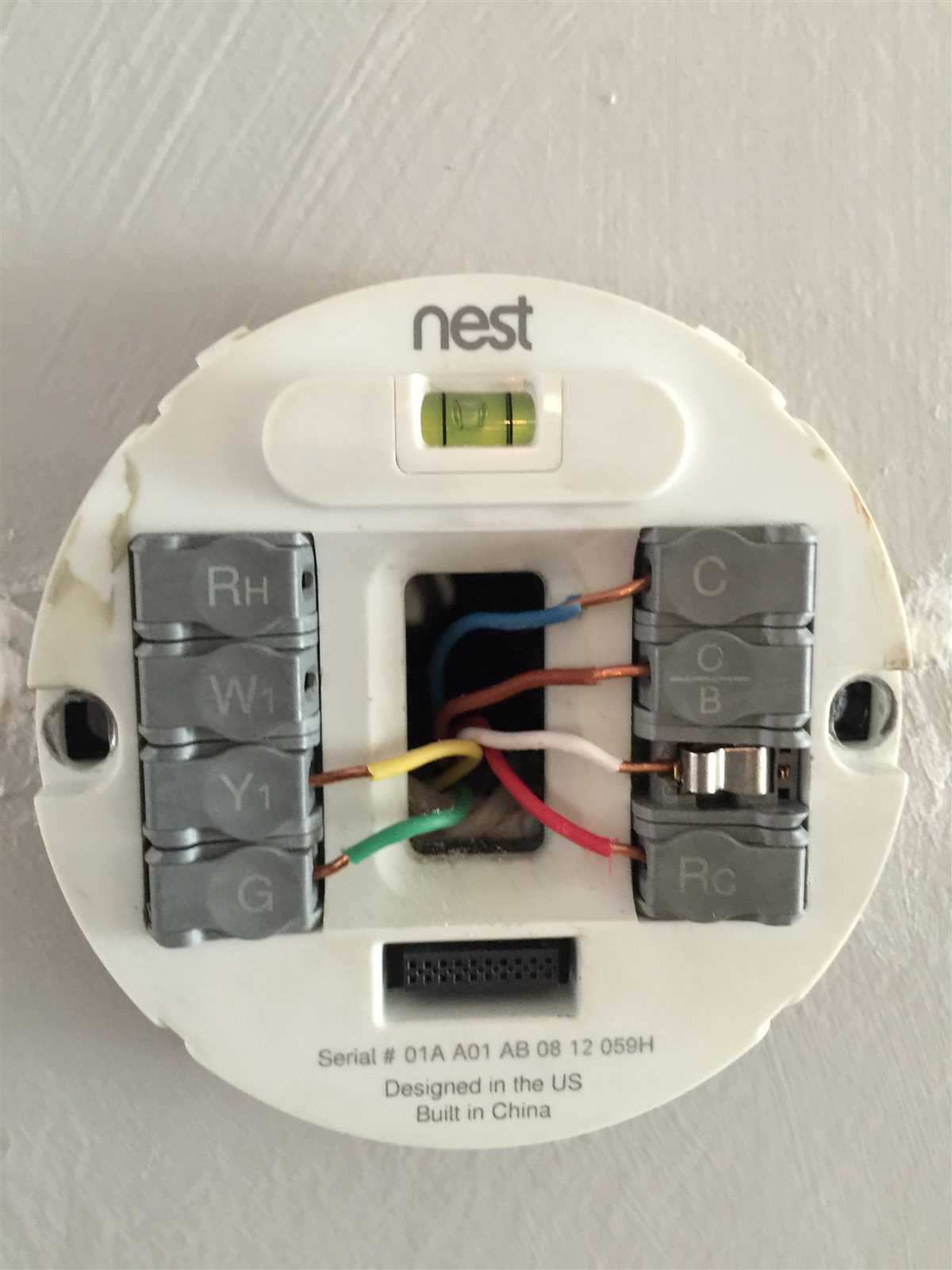 Nest Wiring Diagram
Are you looking to install a Nest thermostat in your home but unsure about how to correctly wire it? Nest thermostats are a popular choice for many homeowners due to their energy-saving features and sleek design. However, it is crucial to ensure that the wiring is done correctly to avoid any potential issues.
Understanding the Nest wiring diagram is essential before you begin the installation process. By familiarizing yourself with the diagram, you can ensure that the thermostat is connected properly and functioning efficiently.
Whether you’re handling a DIY home upgrade or fixing your vehicle, having a easy-to-read wiringdiagram is important. It helps you visualize how circuit elements are wired and ensures a safe, efficient setup.
Whether you’re a startup founder, payroll manager, or independent contractor, using apayroll template helps ensure proper documentation. Simply access the template, produce a hard copy, and fill it out by hand or edit it digitally before printing.
A wiringdiagram visually represents wiring systems, showing the flow of electricity and how different parts like switches, plugs, protective devices, and terminals are linked. This makes it easier to identify problems, enhance systems, or set up circuits without confusion.
Nest Wiring Diagram
Many websites offer free or editable Nest Wiring Diagram templates for automobiles, home appliances, LED setups, and more. These diagrams are particularly helpful for DIY enthusiasts, technicians, and builders who need reliable references.
By using a proper wiring diagram, you minimize mistakes, increase efficiency, and ensure all circuit modifications is up to code. Don’t start your next electrical task blindly—search for a professional wiringdiagram and build safely today!
Get and Print Nest Wiring Diagram
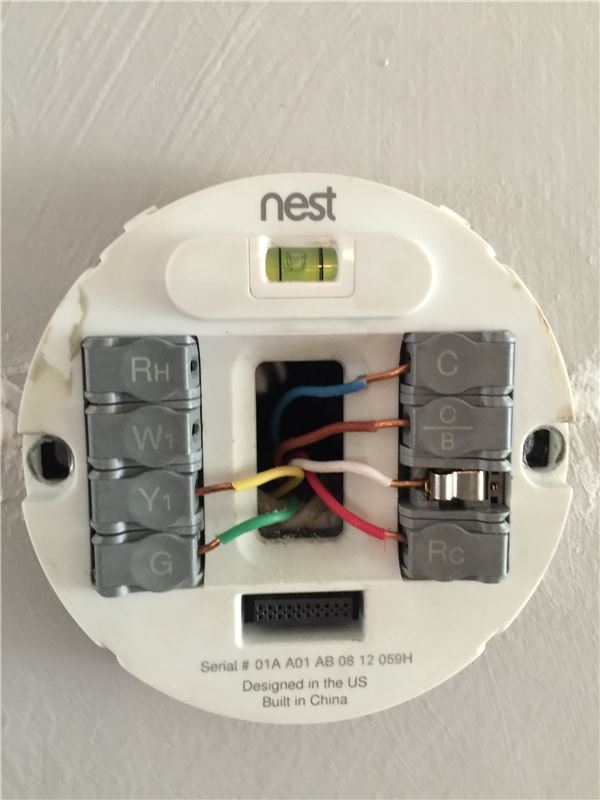 Nest E Wiring Diagram 4 Wire
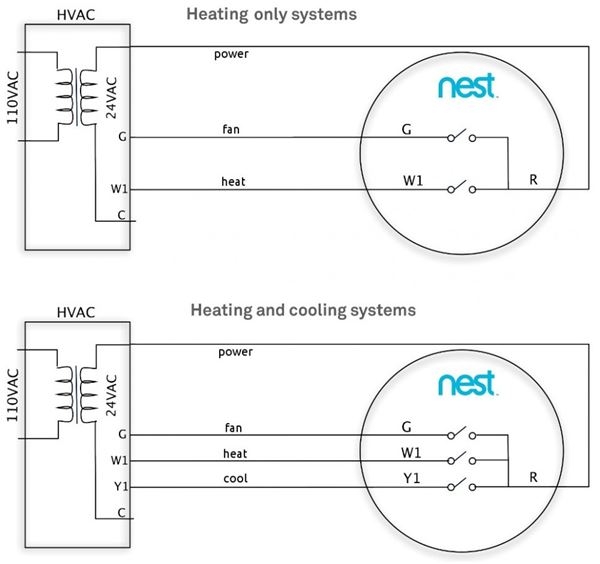 Nest Heat Pump Wiring Diagram
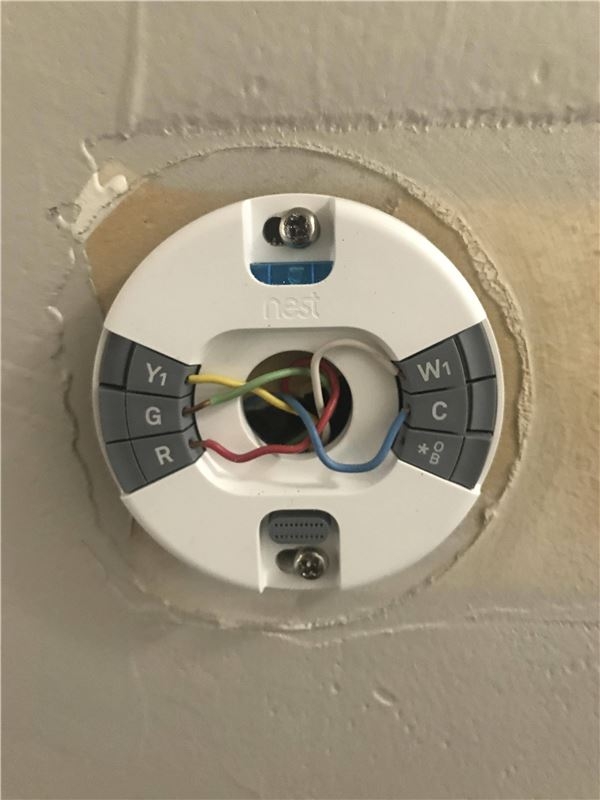 Google Nest Thermostat Wiring Diagram
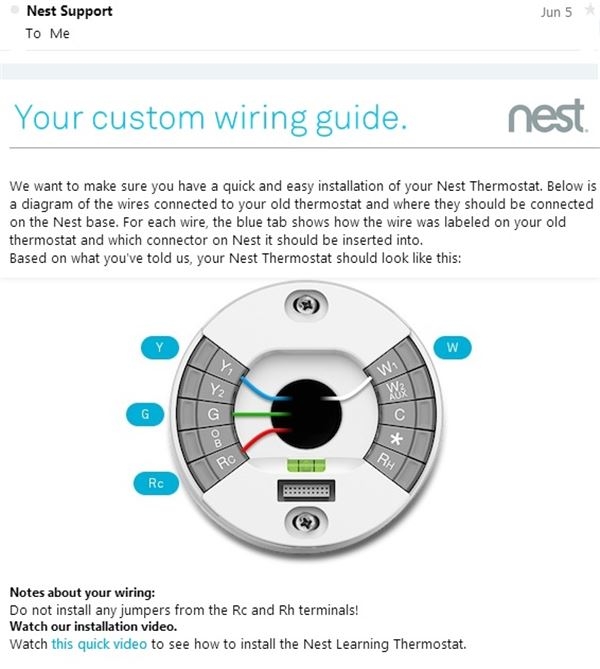 Nest Wiring Diagram S Plan
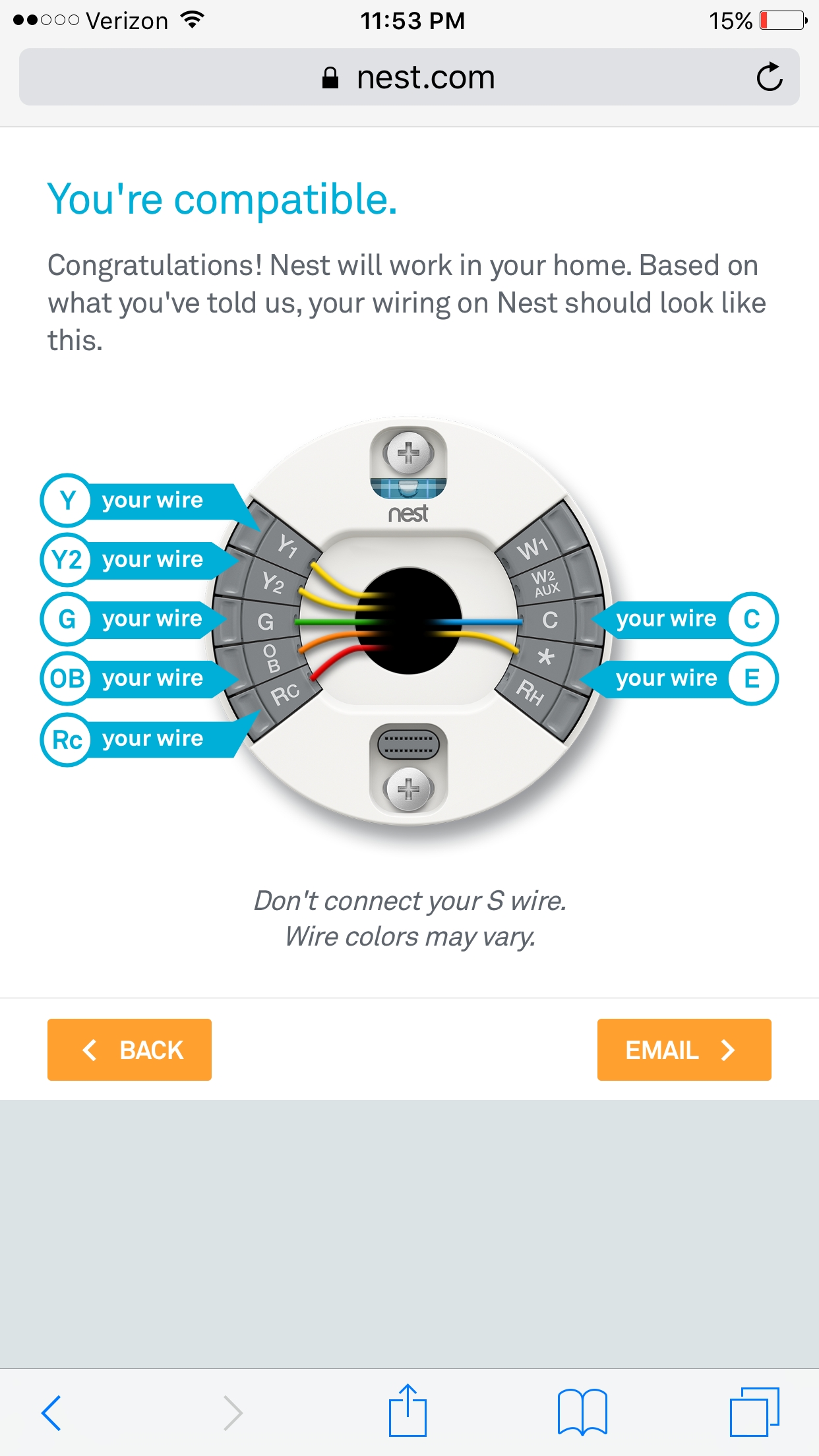 Nest Wiring Diagram Gas Furnace Wiring Diagram
Nest Wiring Diagram
The Nest wiring diagram typically consists of labeled wires that correspond to the terminals on the thermostat. These terminals are labeled with letters such as R, C, W, Y, and G, which indicate the different functions of each wire. It is important to match the wires from your HVAC system to the correct terminals on the Nest thermostat to ensure it operates correctly.
For example, the R wire is typically the power wire that provides electricity to the thermostat, while the C wire is the common wire that completes the circuit. The W wire is for heating, the Y wire is for cooling, and the G wire is for the fan. By following the Nest wiring diagram and connecting the wires accordingly, you can ensure that your thermostat functions as intended.
It is also important to note that some HVAC systems may require additional wires or a specific configuration. In these cases, you may need to consult a professional HVAC technician to assist with the installation process. Additionally, Nest provides detailed instructions and support to help you navigate the wiring diagram and ensure a successful installation.
Once you have successfully wired your Nest thermostat according to the diagram, you can enjoy the benefits of a smart, energy-efficient heating and cooling system in your home. With features such as remote temperature control and energy usage tracking, Nest thermostats offer convenience and savings for homeowners.
In conclusion, understanding the Nest wiring diagram is crucial for a successful thermostat installation. By following the labeled wires and terminals, you can ensure that your Nest thermostat operates efficiently and effectively. If you encounter any difficulties during the installation process, don’t hesitate to seek assistance from a professional to avoid any potential issues.