Commercial Wiring Diagrams – Master Your Electrical System Better with a Clear Commercial Wiring Diagrams
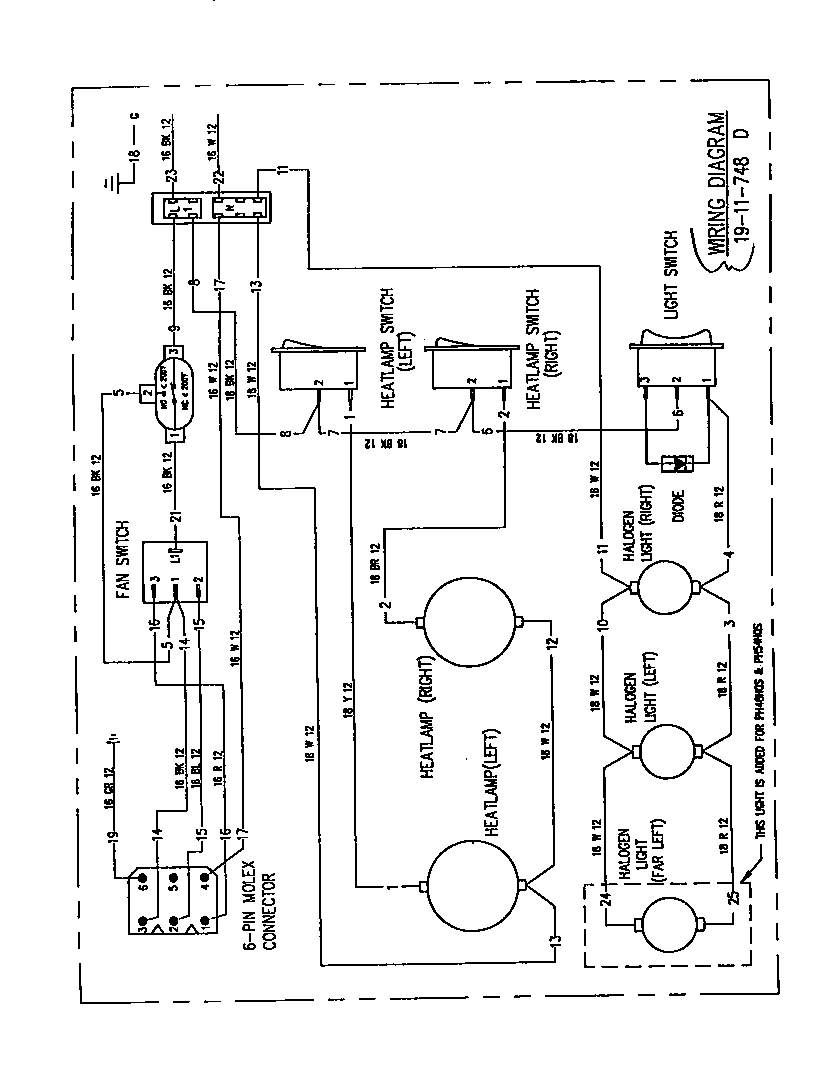 Commercial Wiring Diagrams
Commercial wiring diagrams are essential tools for electricians and technicians who work on commercial buildings. These diagrams provide a visual representation of the electrical system in a building, showing how all the components are connected and how electricity flows through the system. Understanding these diagrams is crucial for ensuring that all electrical work is done safely and up to code.
Commercial wiring diagrams typically include symbols for various electrical components such as switches, outlets, lighting fixtures, and more. They also show the layout of the building’s electrical system, including the location of the main electrical panel, subpanels, and individual circuits. By following these diagrams, electricians can easily identify where to make connections, troubleshoot issues, and ensure that all wiring is done correctly.
Whether you’re working on a home improvement project or repairing your vehicle, having a clear and accurate electrical schematic is important. It helps you understand how electrical components are linked and ensures a risk-free, efficient setup.
Whether you’re a freelancer, payroll manager, or sole proprietor, using apayroll template helps ensure proper documentation. Simply download the template, produce a hard copy, and complete it by hand or type directly into the file before printing.
A electrical schematic visually represents electrical circuits, showing the direction of power and how different parts like controls, plugs, protective devices, and terminals are linked. This makes it easier to troubleshoot issues, enhance systems, or set up circuits without guesswork.
Commercial Wiring Diagrams
Many websites offer complimentary or tailored Commercial Wiring Diagrams templates for automobiles, home appliances, lighting systems, and more. These diagrams are particularly valuable for DIY enthusiasts, technicians, and engineers who need clear references.
By using a proper wiringdiagram, you reduce the risk of errors, save time, and ensure all projects is in compliance. Don’t start your next repair blindly—search for a verified wiringdiagram and design with clarity today!
Quickly Access and Print Commercial Wiring Diagrams
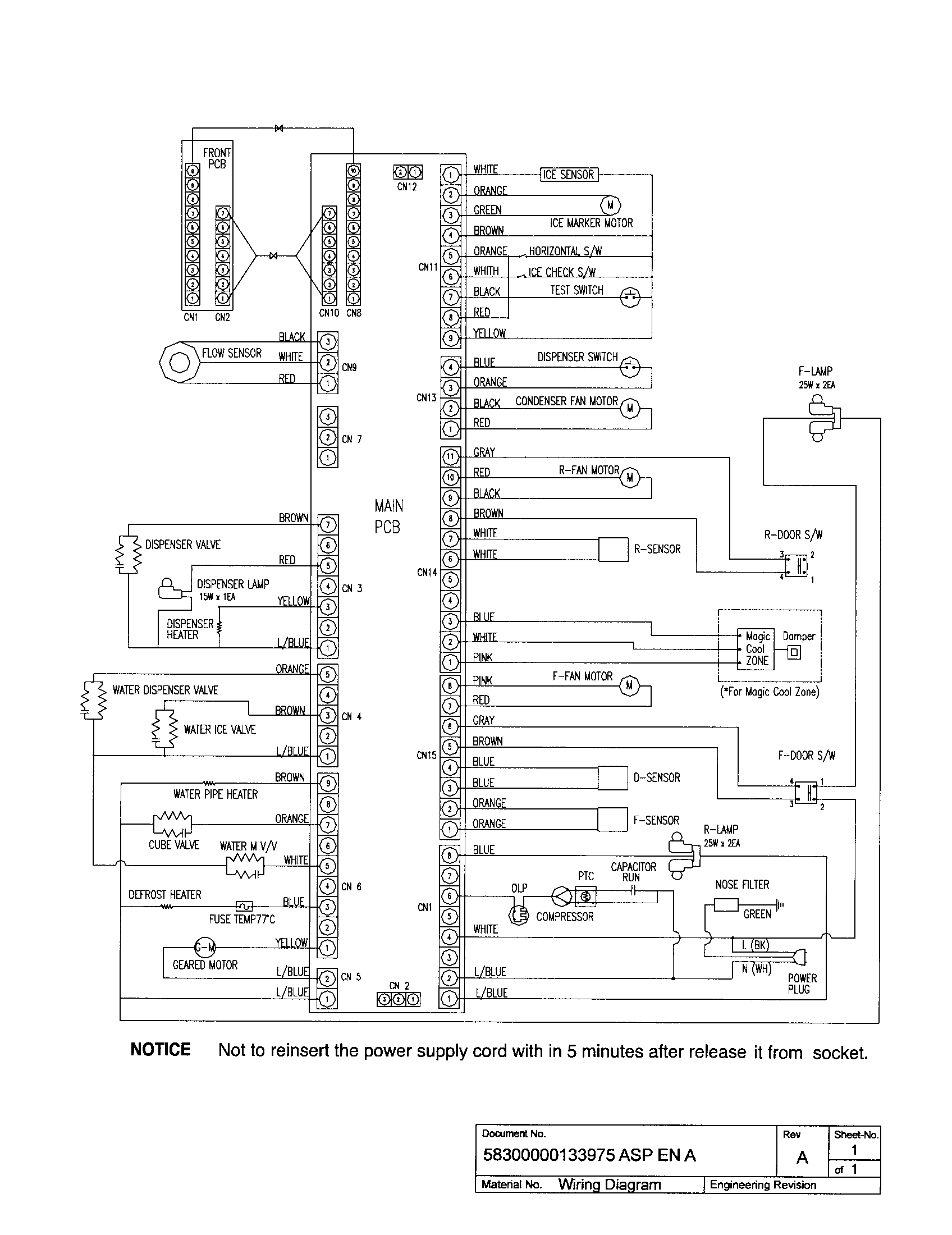 Refrigeration Commercial Refrigeration Wiring Diagrams
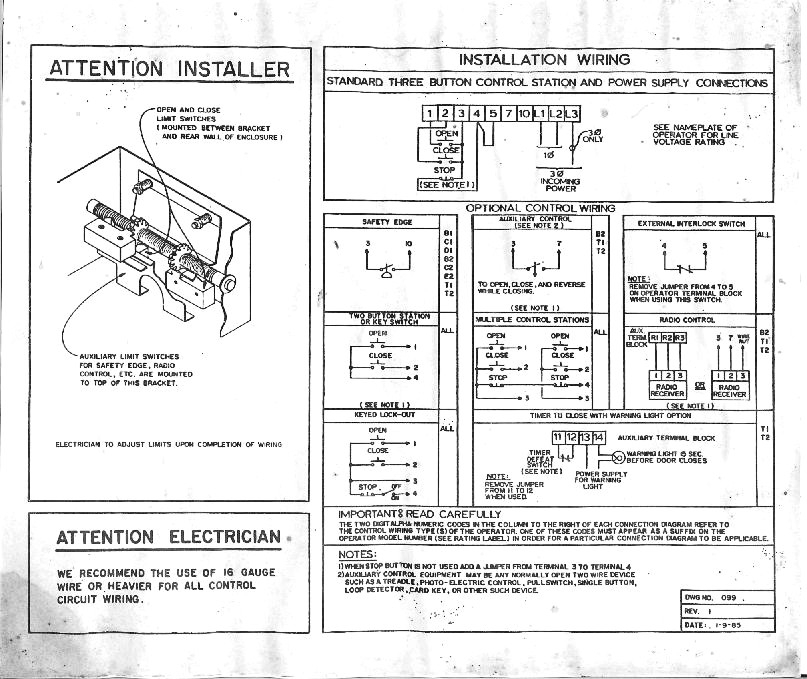 DIAGRAM Electrical Wiring Diagrams For Commercial MYDIAGRAM ONLINE
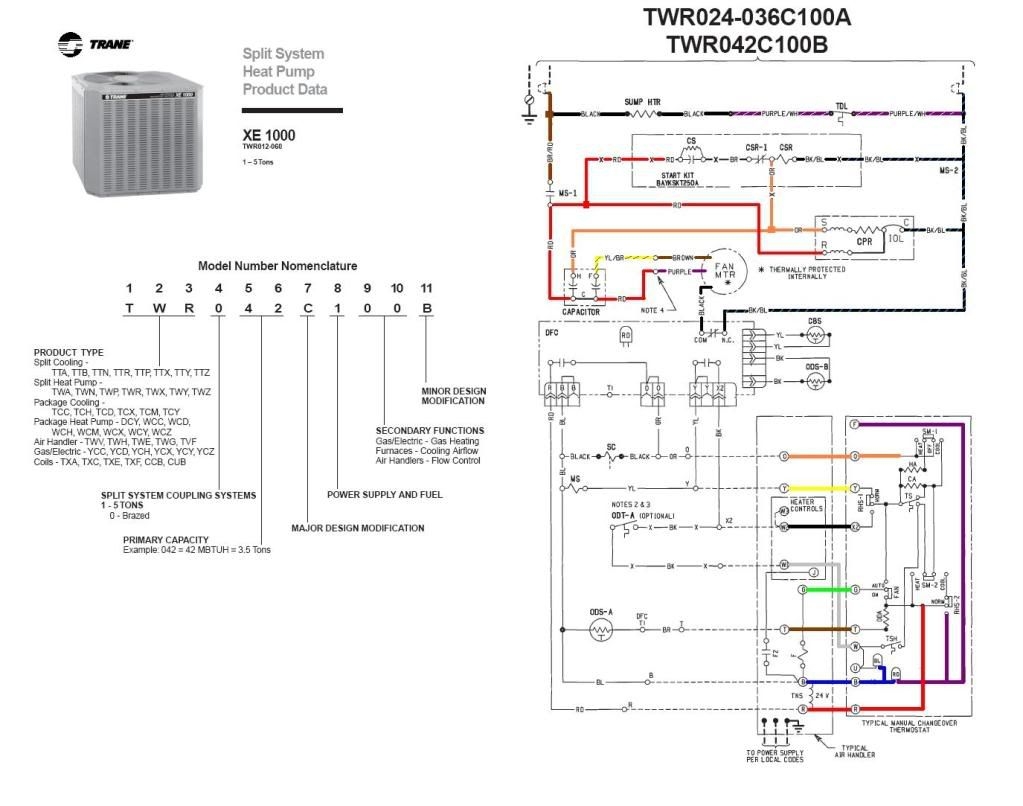 Trane Commercial Wiring Diagrams Homemadeist
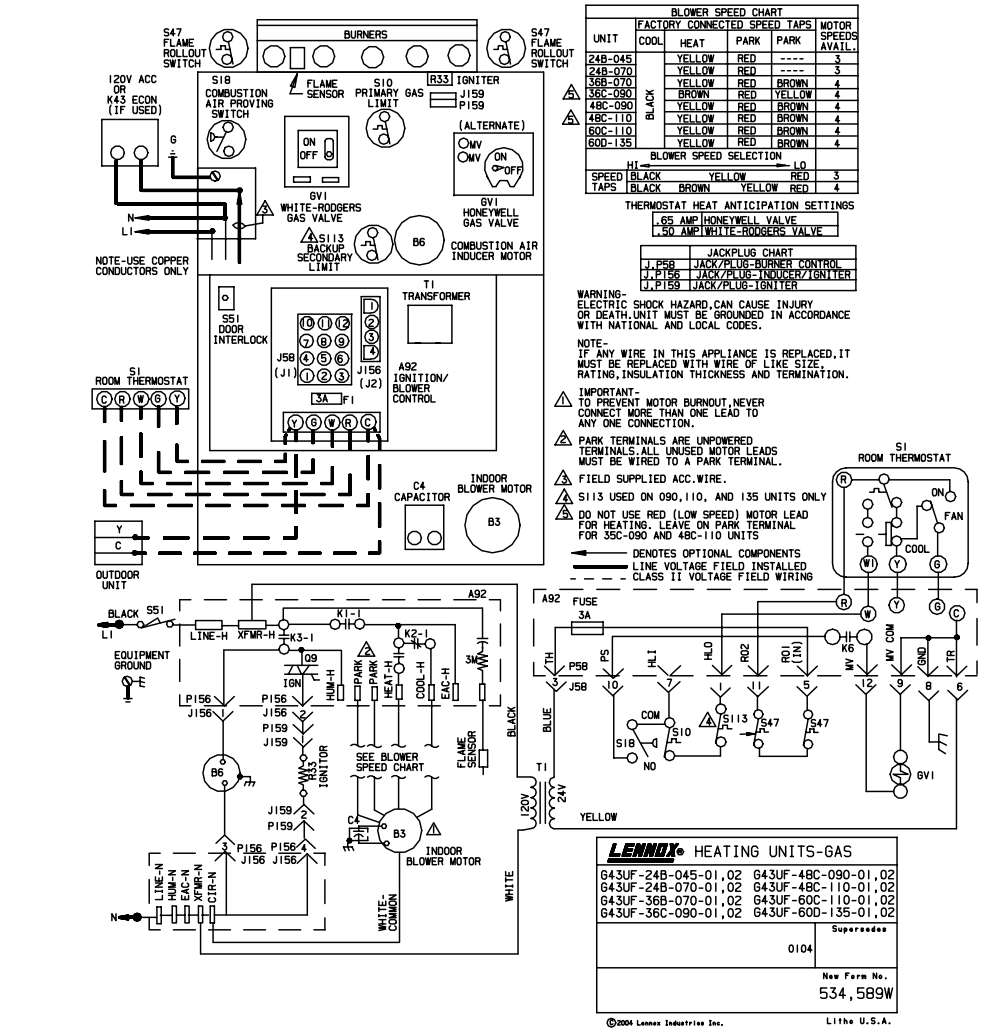 Trane Commercial Wiring Diagrams Homemadeist
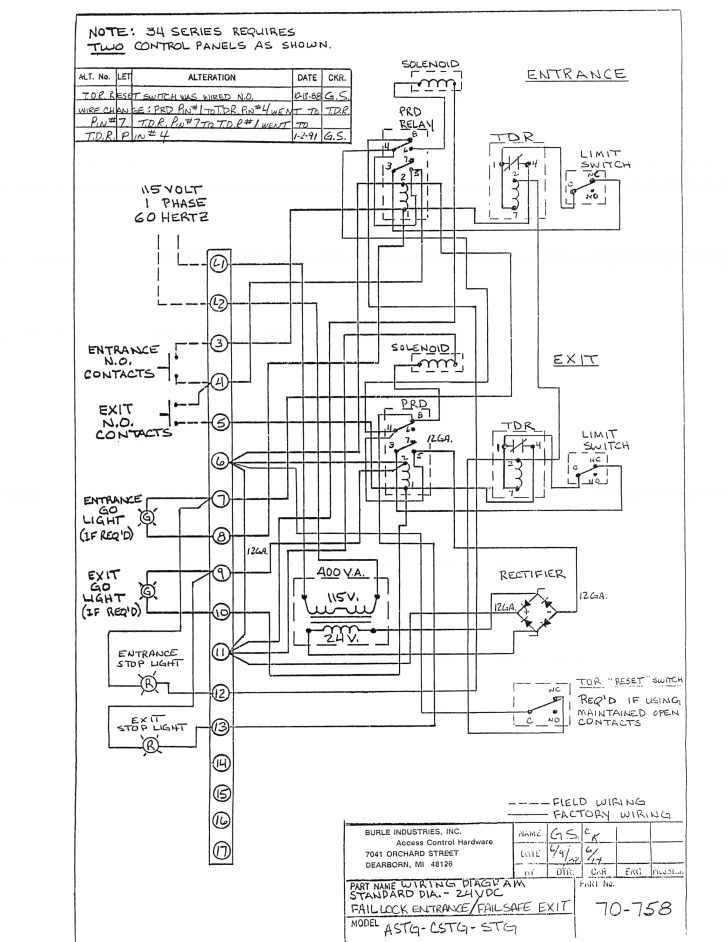 Trane Commercial Wiring Diagrams Homemadeist
When working on commercial buildings, electricians must be familiar with the National Electrical Code (NEC) and other relevant regulations. Commercial wiring diagrams help ensure compliance with these codes by providing a clear roadmap for installing and maintaining electrical systems. By following these diagrams, electricians can avoid costly mistakes and ensure that the building’s electrical system is safe and reliable.
In addition to helping electricians install and maintain electrical systems, commercial wiring diagrams are also useful for building owners and managers. These diagrams provide a detailed overview of the building’s electrical system, making it easier to understand how everything is connected and where potential issues may arise. By having access to these diagrams, building owners can better communicate with electricians and technicians, leading to more efficient and effective electrical work.
Overall, commercial wiring diagrams are essential tools for anyone working on commercial electrical systems. By providing a visual representation of the building’s electrical system, these diagrams help ensure that all work is done safely, up to code, and in compliance with regulations. Whether you’re an electrician, building owner, or manager, understanding and using commercial wiring diagrams is key to maintaining a safe and reliable electrical system.
In conclusion, commercial wiring diagrams are crucial for ensuring that electrical work is done safely and up to code in commercial buildings. By providing a visual representation of the electrical system and its components, these diagrams help electricians, building owners, and managers understand how everything is connected and where potential issues may arise. By following these diagrams and adhering to regulations, everyone involved can ensure that the building’s electrical system is safe, reliable, and in compliance with all relevant codes.