Wiring Diagram For Lights And Switches – Learn About Your Circuit Design Better with a Accurate Wiring Diagram
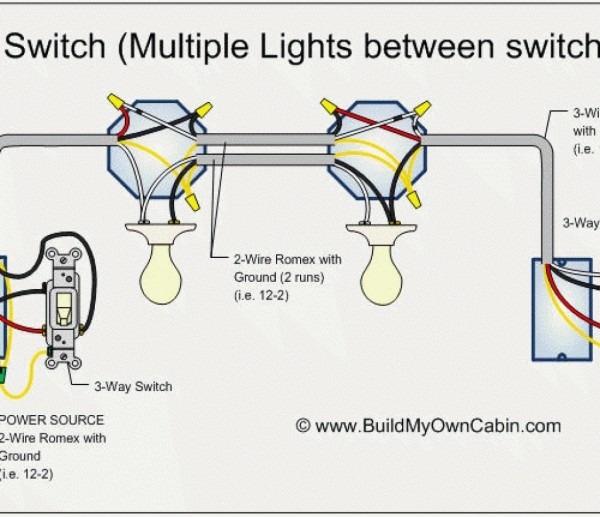 Wiring Diagram For Lights And Switches
When it comes to installing lights and switches in your home, having a proper wiring diagram is essential. This diagram will show you how to properly connect the wires to ensure that your lights turn on and off as intended. Understanding the wiring diagram will also help you troubleshoot any issues that may arise in the future.
Whether you are adding new lights to a room or replacing an existing switch, having a clear wiring diagram will make the installation process much easier. It’s important to follow the diagram carefully to avoid any potential hazards and ensure that your lights operate correctly.
Whether you’re involved in a DIY home upgrade or repairing your automobile, having a easy-to-read wiring diagram is crucial. It helps you understand how circuit elements are linked and ensures a risk-free, organized setup.
Whether you’re a freelancer, HR professional, or independent contractor, using aWiring Diagram For Lights And Switches helps ensure proper documentation. Simply download the template, print it, and fill it out by hand or edit it digitally before printing.
A wiring diagram visually represents wiring systems, showing the flow of electricity and how different components like switches, plugs, fuses, and terminals work together. This makes it easier to troubleshoot issues, enhance systems, or install new systems without guesswork.
Wiring Diagram For Lights And Switches
Many resources offer free or tailored Wiring Diagram For Lights And Switches templates for automobiles, home appliances, lighting systems, and more. These diagrams are particularly useful for hobbyists, electricians, and engineers who need clear references.
By using a proper Wiring Diagram For Lights And Switches, you reduce the risk of errors, save time, and ensure all projects is done correctly. Don’t start your next repair blindly—search for a professional Wiring Diagram For Lights And Switches and build safely today!
Download and Print Wiring Diagram For Lights And Switches
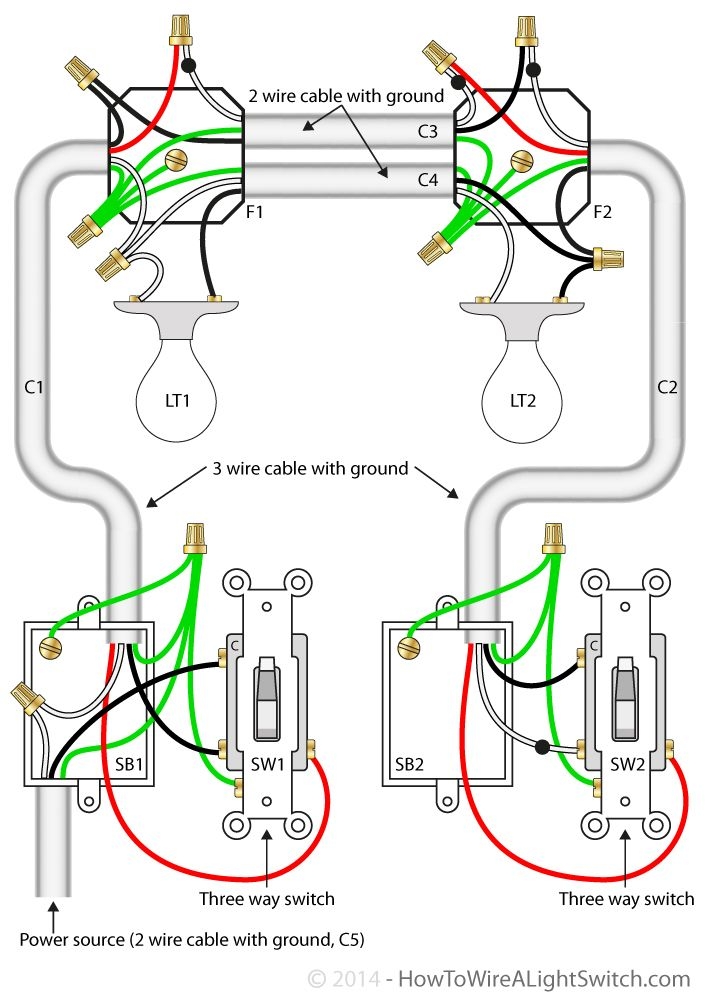 Light Switch Wiring Diagram Multiple Lights
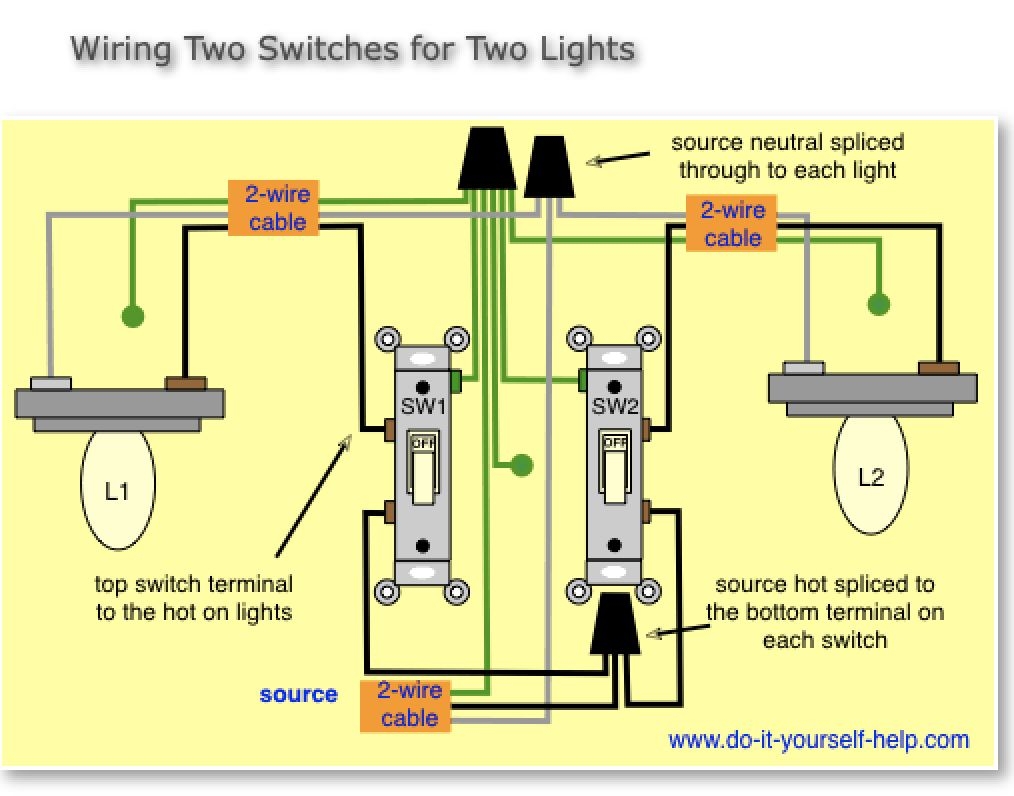 Wiring 2 Lights To One Switch
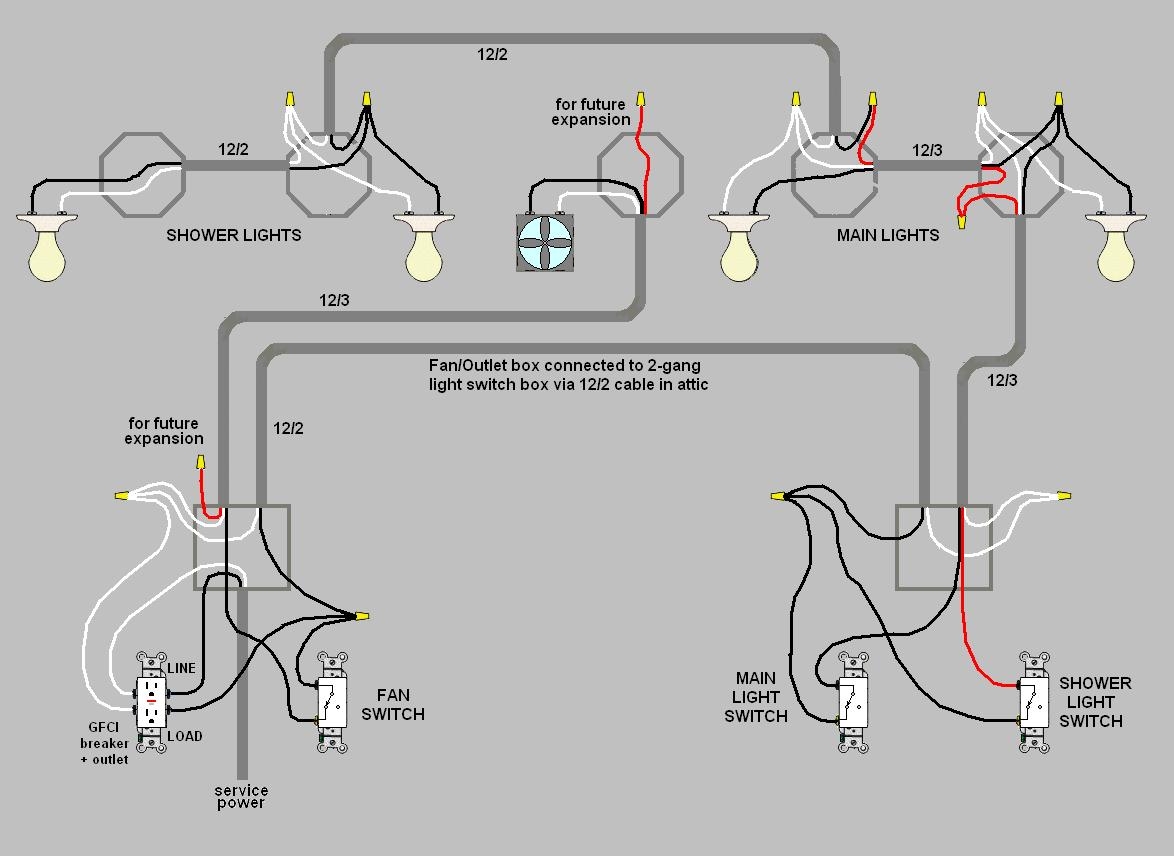 Wiring Multiple Lights And Switches On One Circuit Diagram
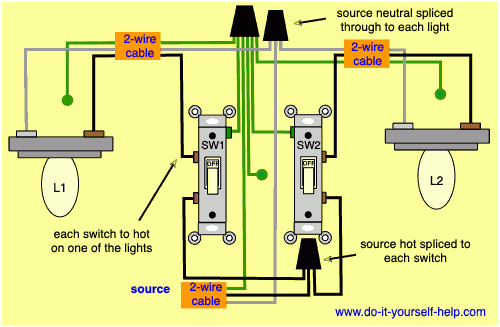 Wiring Diagram For Two Switches Controlling Two Lights Electrical
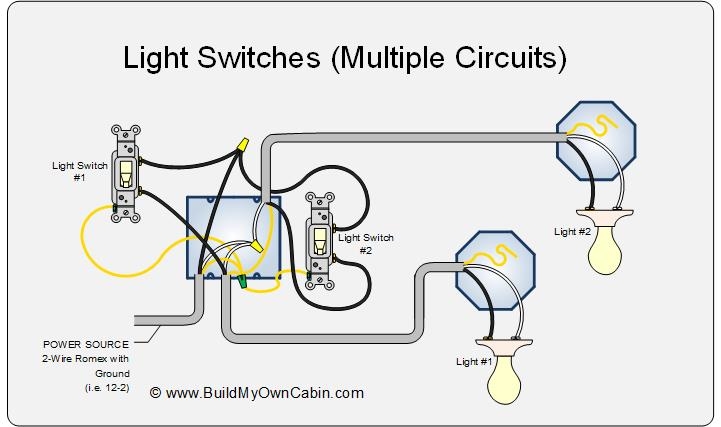 Light Switch Wiring Diagram Multiple Lights
Wiring Diagram For Lights And Switches
One common wiring diagram for lights and switches involves a power source, a switch, and one or more lights. The power source is typically connected to the switch, which is then connected to the lights. The diagram will show you which wires to connect to each component and how to properly ground the system.
It’s important to understand the difference between a single-pole switch and a three-way switch when following a wiring diagram for lights and switches. A single-pole switch controls a light from one location, while a three-way switch allows you to control a light from two different locations. The wiring for these switches will vary, so it’s crucial to follow the diagram closely.
Another key component of a wiring diagram for lights and switches is understanding the color coding of the wires. In most cases, black wires are used for power, white wires are used for neutral, and green or bare wires are used for grounding. Following the color coding will help you properly connect the wires and avoid any potential safety hazards.
Before starting any electrical work, it’s important to turn off the power to the circuit you will be working on. This will help prevent any accidents or injuries while you are connecting the wires. Once you have completed the wiring according to the diagram, be sure to test the lights and switches to ensure they are functioning properly.
In conclusion, having a clear and accurate wiring diagram for lights and switches is crucial for any electrical installation. By following the diagram carefully and understanding the components involved, you can ensure that your lights and switches operate safely and efficiently. Remember to always prioritize safety when working with electricity and consult a professional if you are unsure about any aspect of the installation.