Auto Gauge Wiring Diagram Tachometer – Learn About Your Electrical System Better with a Clear WiringDiagram
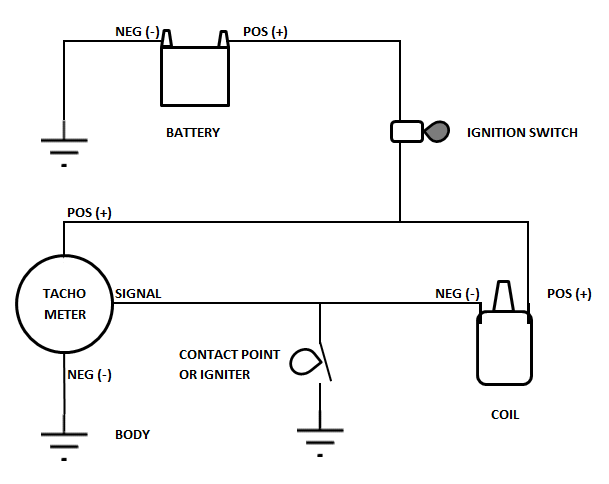 Auto Gauge Wiring Diagram Tachometer
Installing an auto gauge tachometer in your vehicle can provide you with valuable information about your engine’s performance. Whether you’re a racing enthusiast or simply want to keep track of your engine’s RPM, a tachometer is a useful tool to have. However, wiring a tachometer can be a bit tricky if you’re not familiar with automotive electrical systems.
Having a wiring diagram for your auto gauge tachometer can make the installation process much easier. With the right instructions, you can ensure that your tachometer is wired correctly and functions properly.
Whether you’re involved in a house renovation or repairing your vehicle, having a well-drawn and reliable wiring diagram is crucial. It helps you see how circuit elements are connected and ensures a risk-free, efficient setup.
Whether you’re a freelancer, payroll manager, or sole proprietor, using apayroll printable helps ensure accurate record-keeping. Simply access the template, produce a hard copy, and fill it out by hand or type directly into the file before printing.
A wiring diagram visually represents electrical circuits, showing the paths for current flow and how different components like switches, outlets, fuses, and terminals interact. This makes it easier to troubleshoot issues, enhance systems, or add components without guesswork.
Auto Gauge Wiring Diagram Tachometer
Many online platforms offer free or editable Auto Gauge Wiring Diagram Tachometer templates for automobiles, home appliances, LED setups, and more. These diagrams are particularly helpful for DIY enthusiasts, electricians, and builders who need clear references.
By using a proper wiring diagram, you reduce the risk of errors, increase efficiency, and ensure all circuit modifications is in compliance. Don’t start your next repair blindly—search for a professional Auto Gauge Wiring Diagram Tachometer and work with confidence today!
Save and Print Auto Gauge Wiring Diagram Tachometer
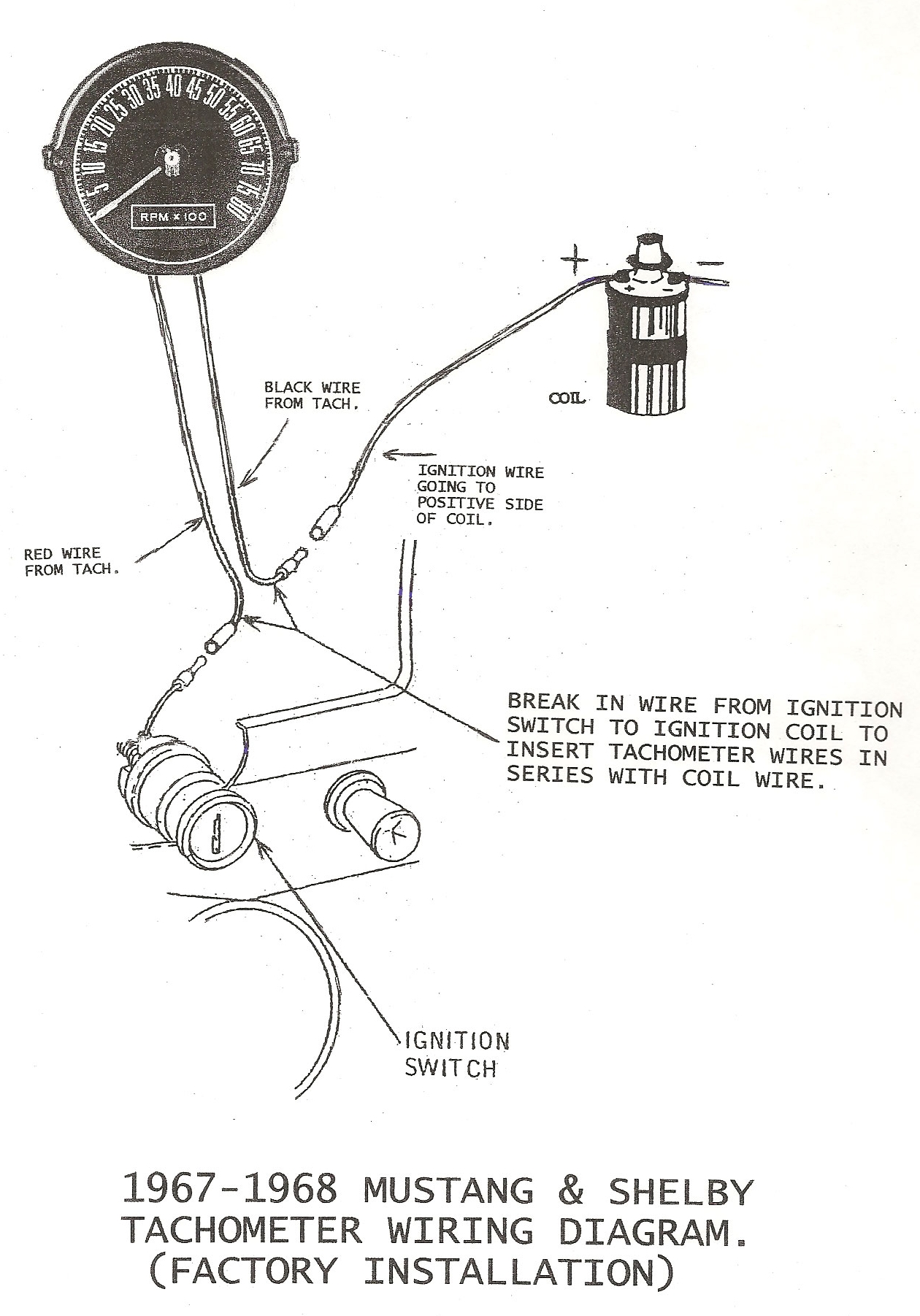 Wiring A Tachometer Diagram
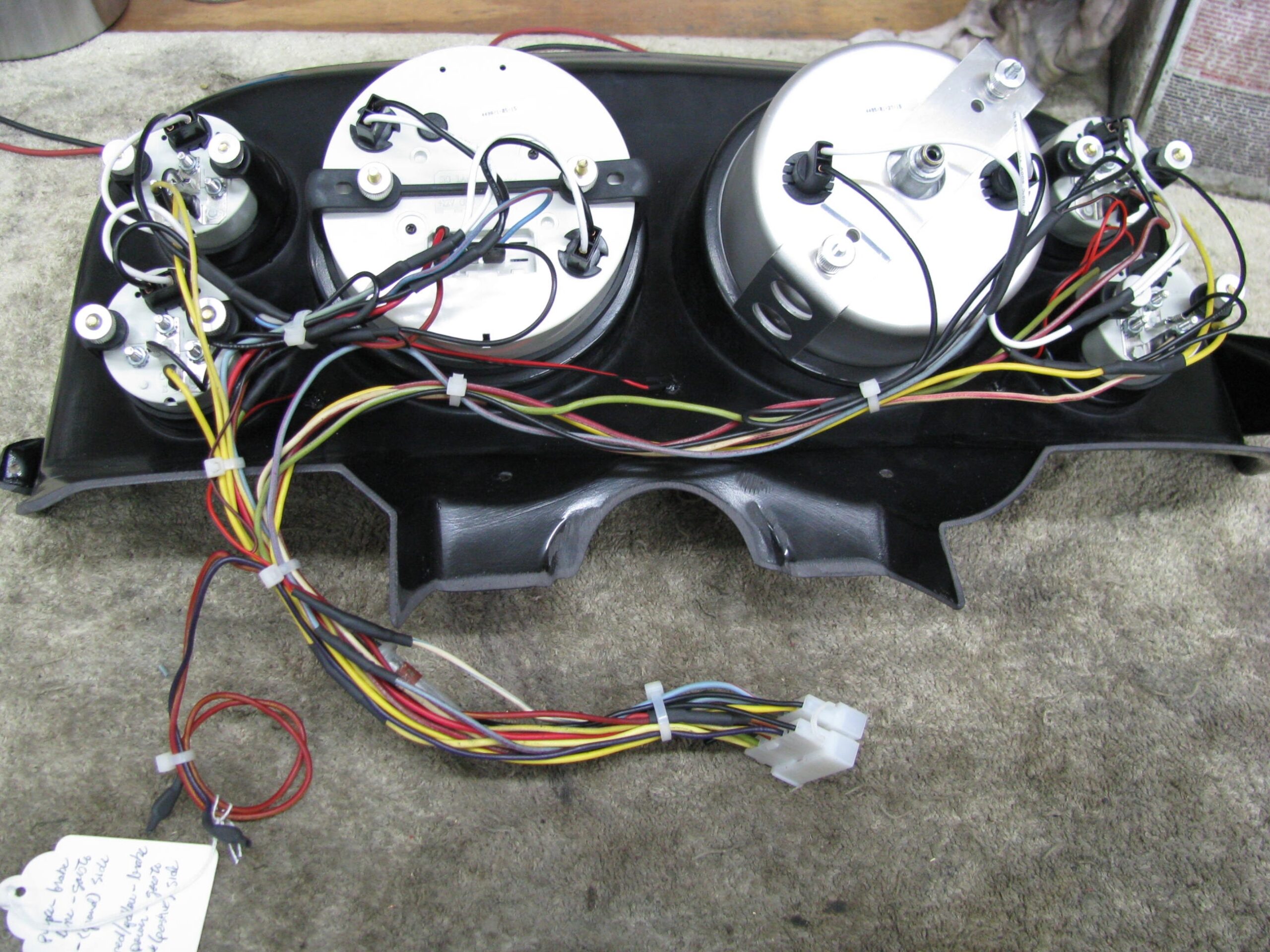 Wiring Diagram For Autometer Gauges
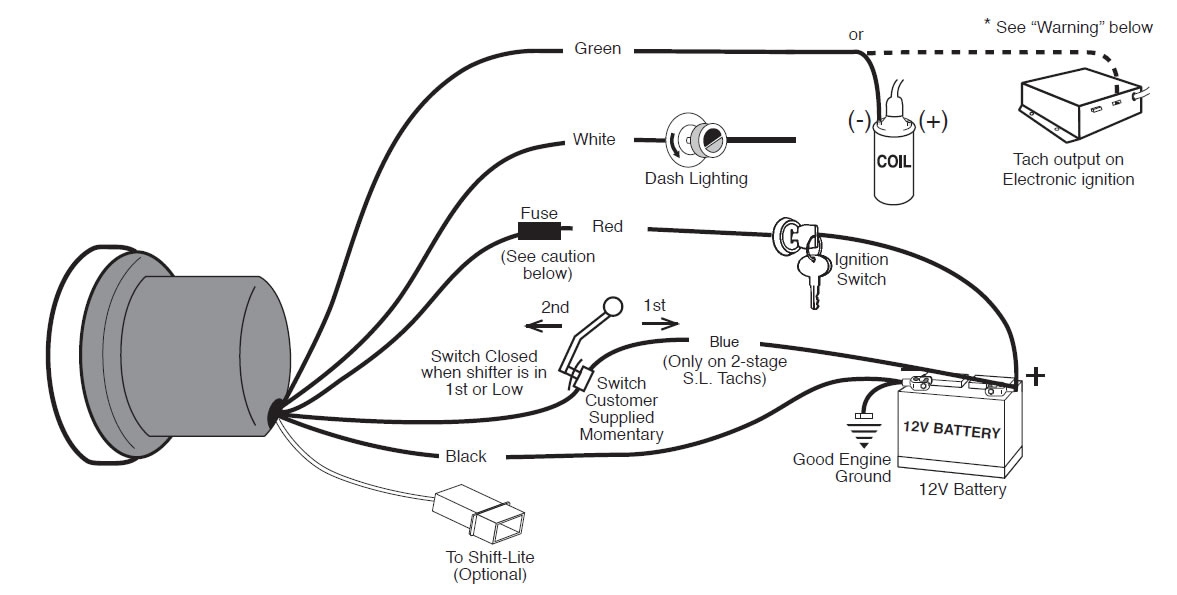 Bestly Auto Gauge Rpm Wiring Diagram
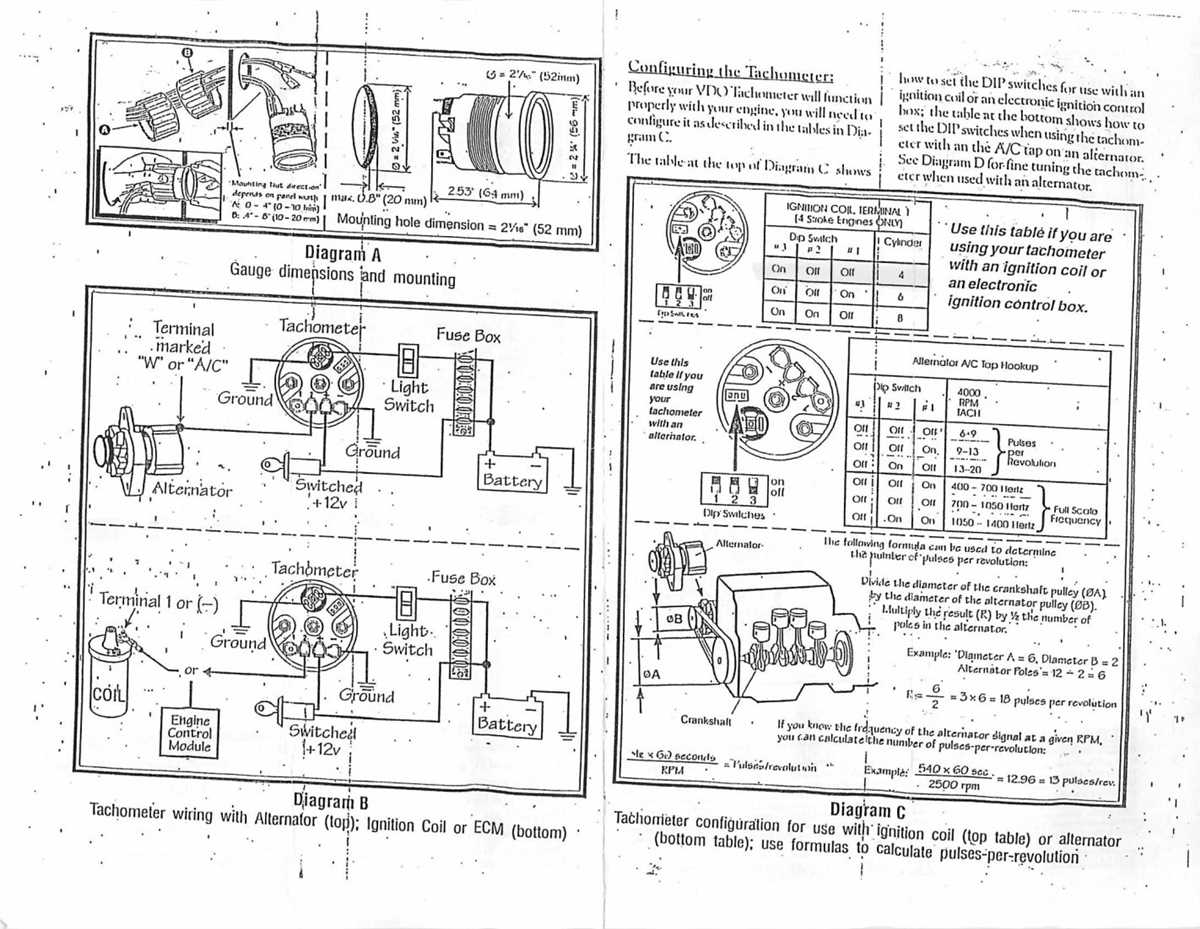 1985 F150 Factory Tach Wiring Diagrams
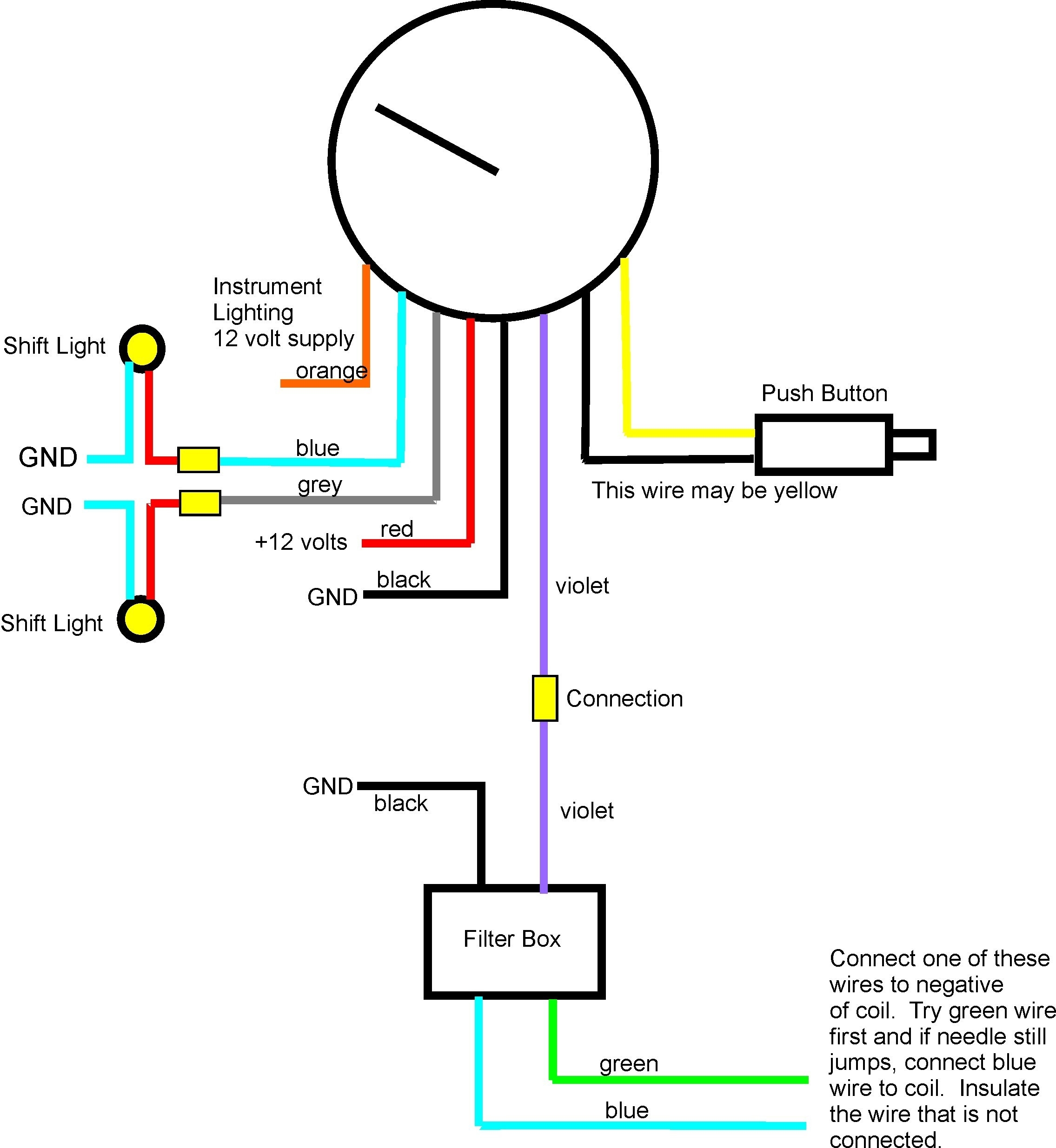 Auto Gauge Tachometer Wiring Diagram
When wiring your auto gauge tachometer, it’s important to first identify the necessary wires. Typically, you will need to connect the tachometer to the ignition coil or to the distributor’s tach output. Refer to your vehicle’s manual or the tachometer’s instructions to determine the correct wires to use.
Next, you will need to connect the tachometer to a power source. This can usually be done by connecting the tachometer’s red wire to a switched 12V power source and the black wire to a good ground. Again, refer to the wiring diagram for your specific tachometer to ensure proper connections.
Once you have connected the necessary wires, you can adjust the tachometer’s settings to match your engine’s specifications. This may involve setting the tachometer’s cylinder number and selecting the appropriate signal type. Consult the tachometer’s manual for detailed instructions on how to adjust these settings.
After completing the wiring and setup process, test the tachometer to ensure that it is functioning correctly. Start your vehicle and observe the tachometer’s readings to verify that it is accurately displaying your engine’s RPM. If the tachometer is not working properly, double-check your wiring connections and settings.
In conclusion, wiring a tachometer for your vehicle doesn’t have to be a daunting task. By following a wiring diagram and carefully connecting the necessary wires, you can install an auto gauge tachometer with ease. With the right tools and instructions, you’ll be able to monitor your engine’s performance and make the most of your vehicle’s capabilities.