Learning To Read Wiring Diagrams – Understand Your Circuit Design Better with a Clear Wiring Diagram
 Learning To Read Wiring Diagrams
Wiring diagrams are essential tools for anyone working with electrical systems, whether it’s in a car, a home, or any other setting. These diagrams show the connections between different components and help technicians troubleshoot issues effectively. However, for beginners, reading wiring diagrams can be intimidating. With practice and understanding, anyone can learn to read and interpret wiring diagrams accurately.
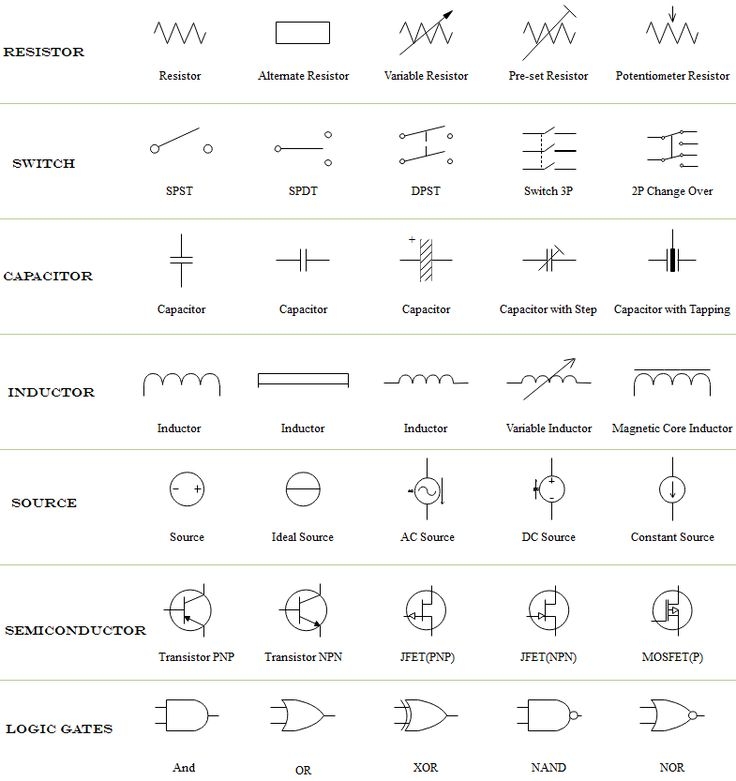
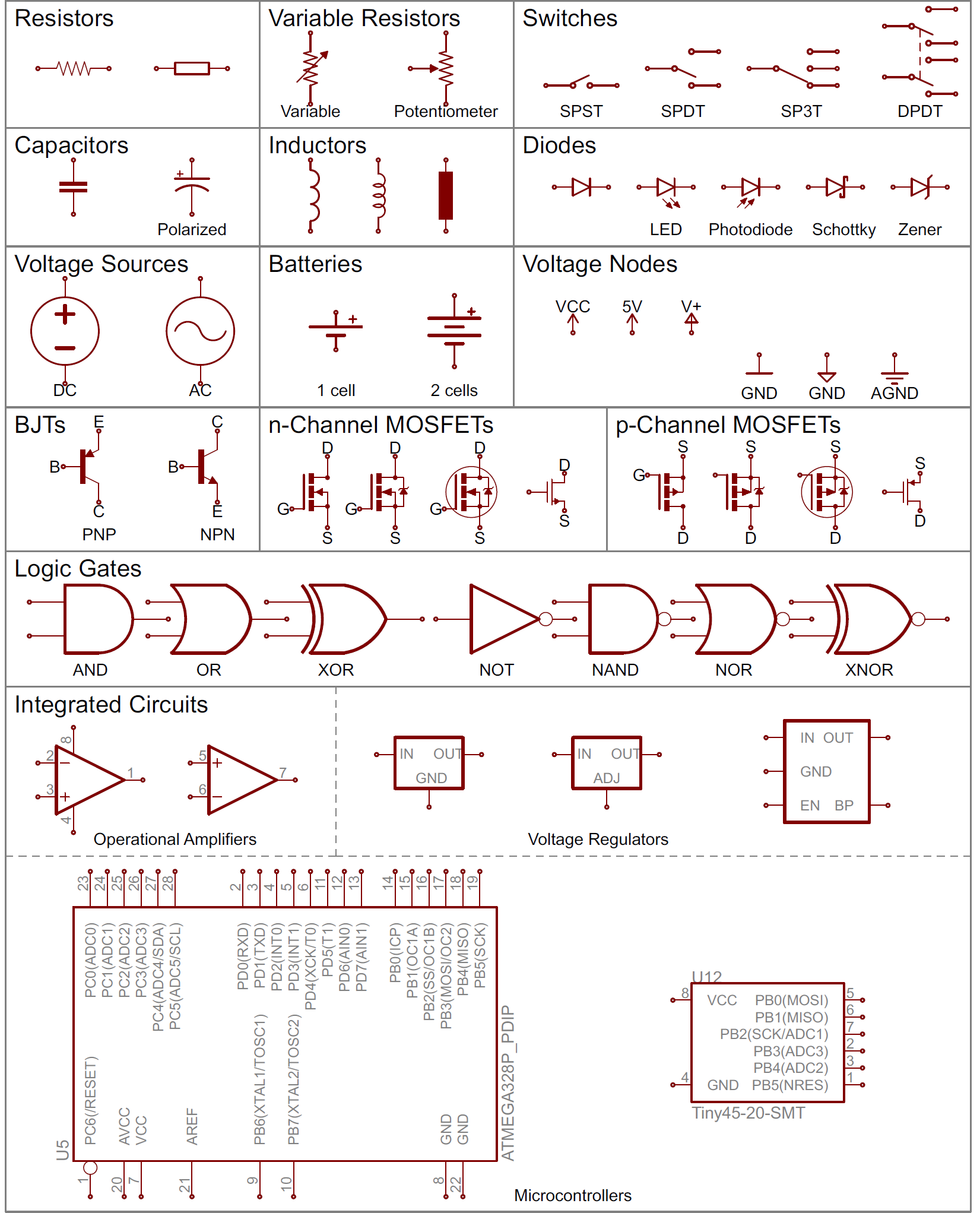
Understanding the symbols and conventions used in wiring diagrams is the first step in learning how to read them. Each component in a wiring diagram is represented by a specific symbol, such as a line for a wire, a circle for a light, or a square for a switch. By familiarizing yourself with these symbols and their meanings, you can start deciphering the connections between components and understand how the system works as a whole.
Whether you’re working on a house renovation or maintaining your automobile, having a easy-to-read wiringdiagram is crucial. It helps you see how wires and parts are linked and ensures a safe, organized setup.
Whether you’re a small business owner, HR professional, or independent contractor, using apayroll template helps ensure accurate record-keeping. Simply get the template, produce a hard copy, and fill it out by hand or edit it digitally before printing.
A electrical schematic visually represents electrical circuits, showing the paths for current flow and how different modules like switches, outlets, fuses, and terminals work together. This makes it easier to identify problems, make upgrades, or set up circuits without confusion.
Learning To Read Wiring Diagrams
Many online platforms offer free or tailored wiring diagrams templates for vehicles, home appliances, LED setups, and more. These diagrams are particularly useful for hobbyists, technicians, and builders who need clear references.
By using a proper electrical Schematic, you reduce the risk of errors, cut down time, and ensure all projects is up to code. Don’t start your next project blindly—search for a trusted electrical Schematic and build safely today!
Save and Print Learning To Read Wiring Diagrams
 Practice Electrical Wiring Diagrams
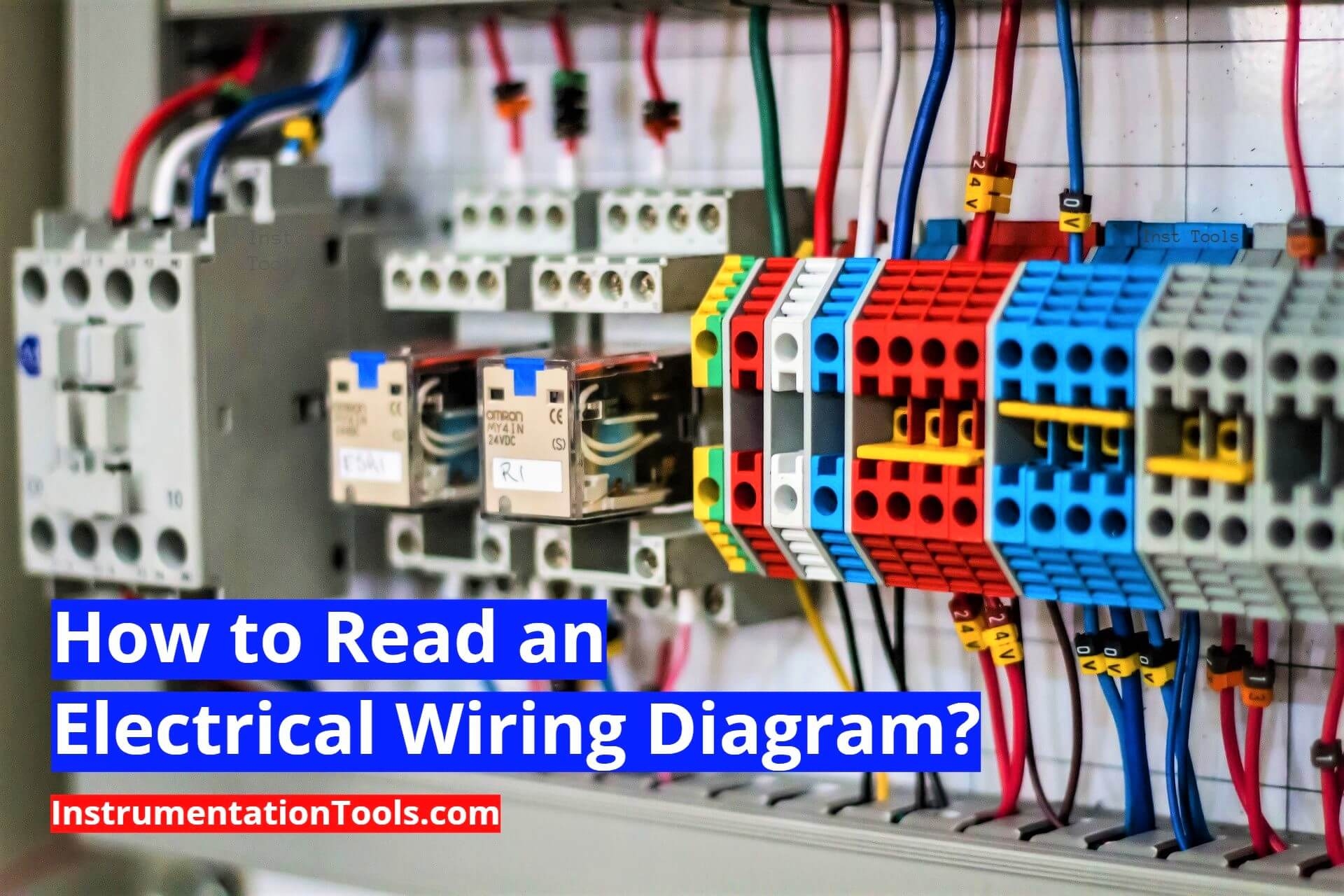 Learn To Read Electrical Wiring Diagrams How To Read Wiring
 Electrical Wiring Diagrams Book
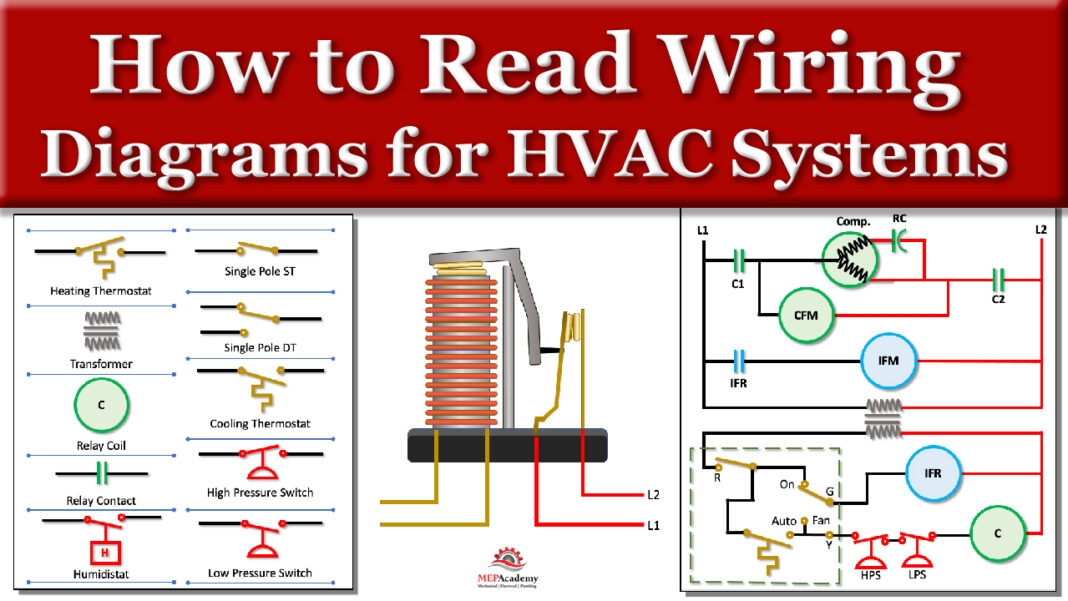 How To Read Wiring Diagrams In HVAC Systems MEP Academy
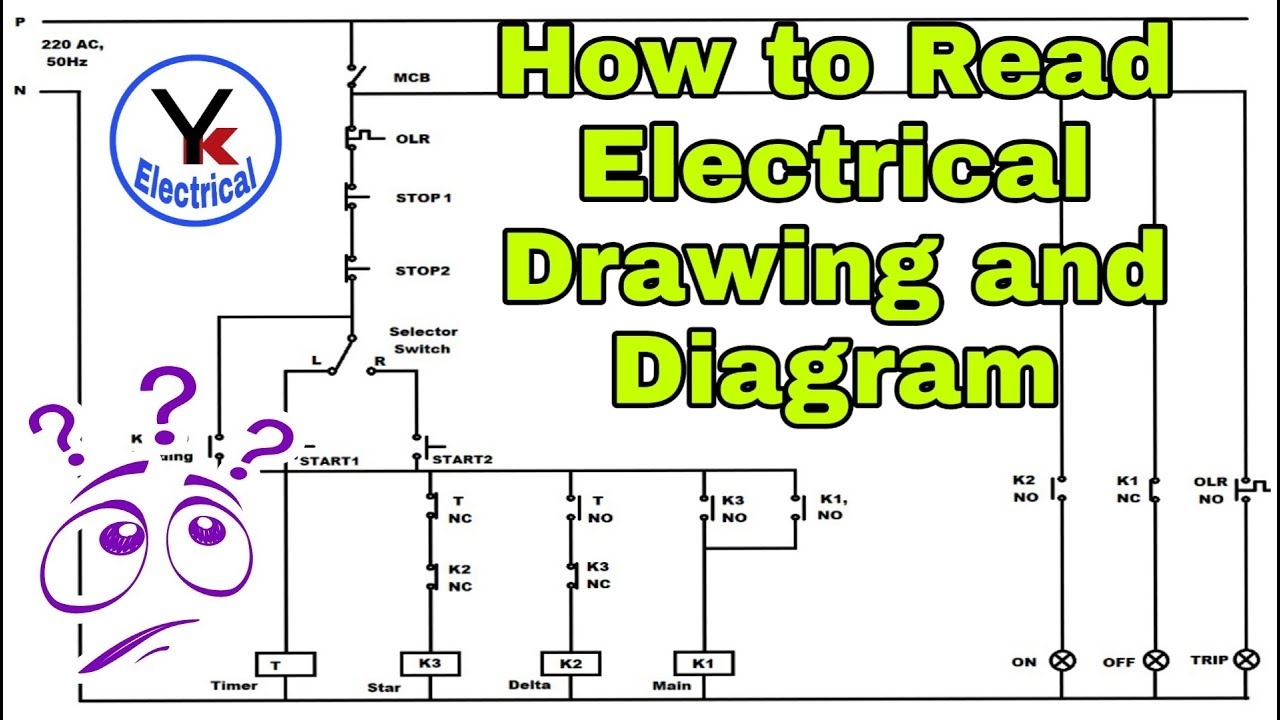 DIAGRAM How To Read Schematic Wiring Diagrams MYDIAGRAM ONLINE
Next, it’s important to follow the flow of the circuit in the wiring diagram. Start from the power source, usually a battery or a fuse, and trace the path of the current through the various components. Pay attention to how the wires are connected, where they intersect, and how they lead to different devices. Understanding the flow of the circuit will help you identify any potential issues or areas of concern.
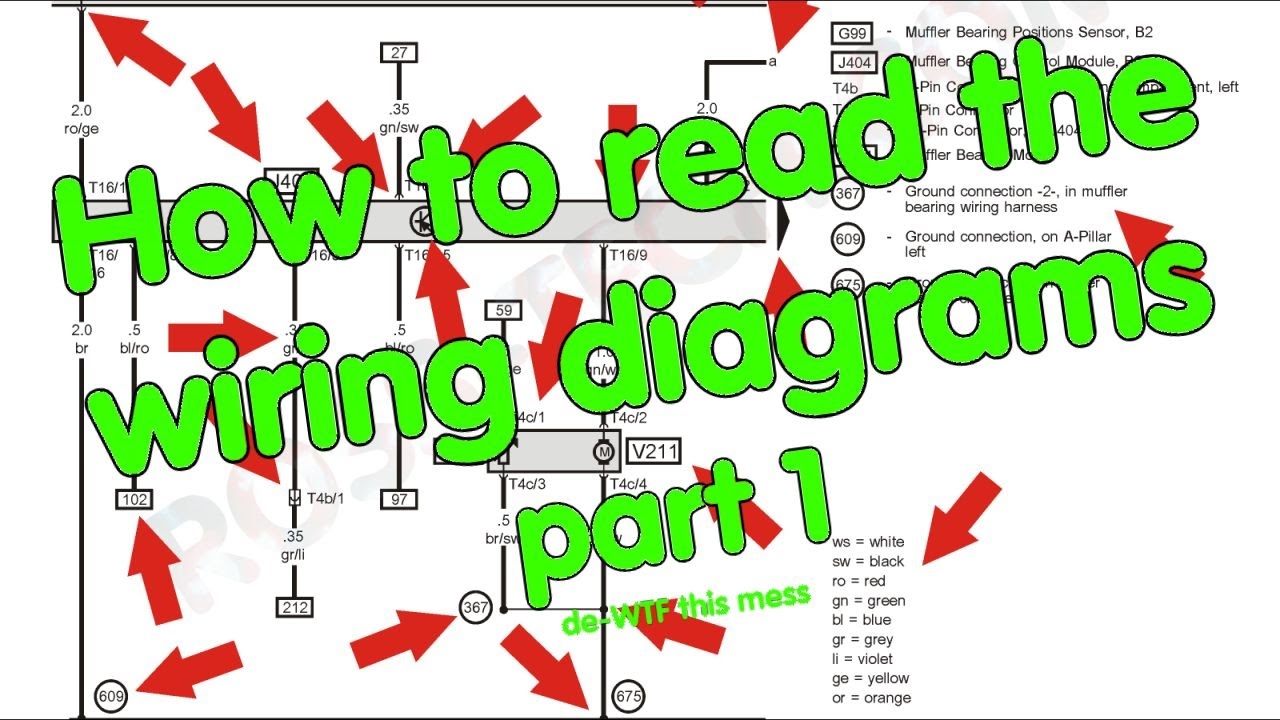
Color coding is another important aspect of reading wiring diagrams. Wires of different colors are used to represent different functions or components within a circuit. By referring to the color codes in the diagram, you can easily identify which wires are connected to which components and troubleshoot any problems related to wiring connections.
Practice makes perfect when it comes to reading wiring diagrams. Start by studying simple diagrams and gradually move on to more complex ones as you gain confidence and experience. Don’t be afraid to ask for help or guidance from experienced technicians or instructors if you come across any difficulties. With dedication and patience, you’ll soon become proficient in reading and interpreting wiring diagrams with ease.
In conclusion, learning to read wiring diagrams is a valuable skill for anyone working in the electrical field. By understanding the symbols, following the circuit flow, paying attention to color coding, and practicing regularly, you can become proficient in interpreting wiring diagrams accurately. With time and effort, you’ll be able to troubleshoot electrical issues effectively and work with confidence in various settings.