Learning Wiring Diagrams – Master Your Wiring Setup Better with a Accurate WiringDiagram
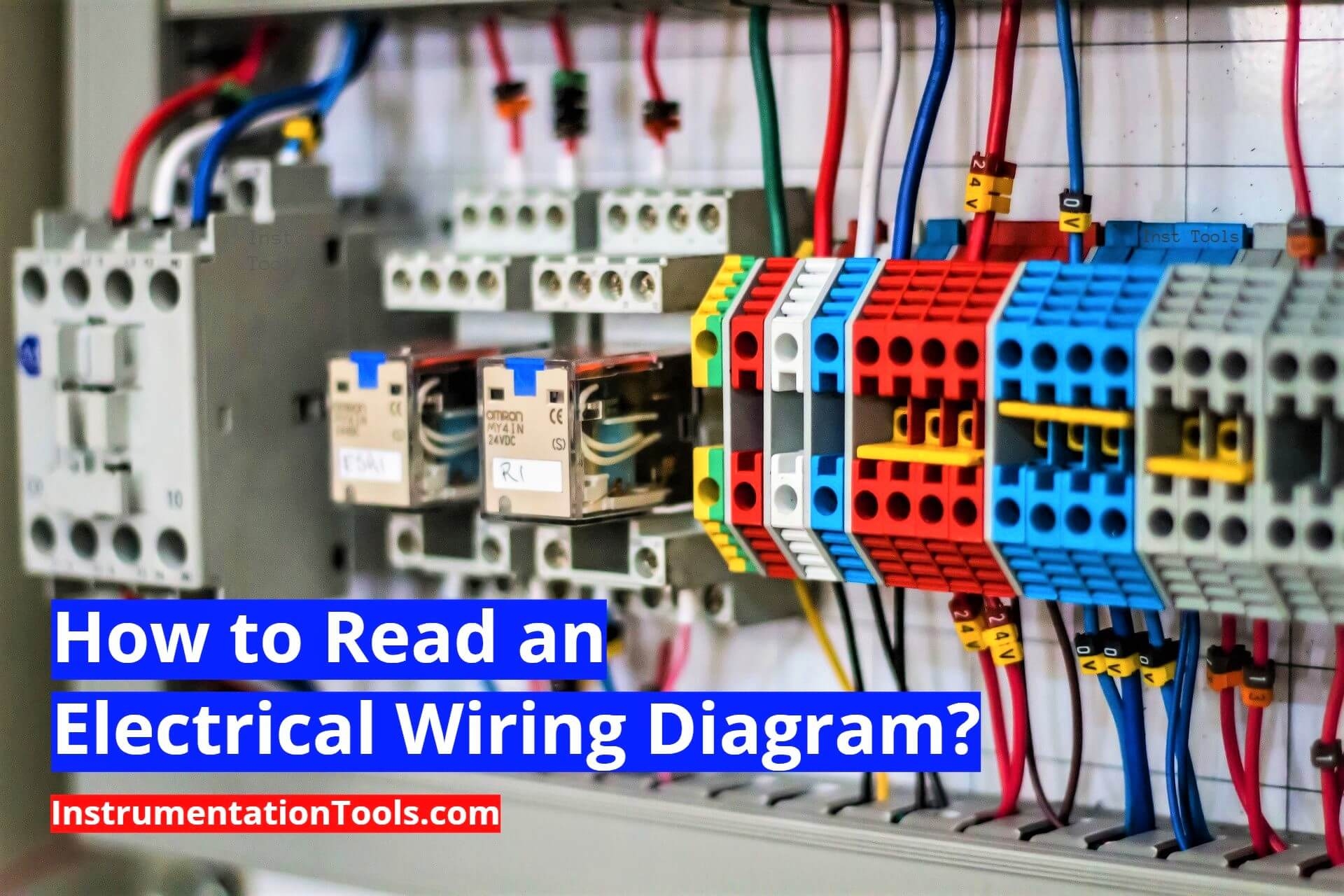 Learning Wiring Diagrams
Understanding wiring diagrams is essential for anyone working with electrical systems, whether it’s for automotive repairs, home improvement projects, or industrial applications. A wiring diagram is a visual representation of the electrical circuit, showing how different components are connected and the flow of electricity. Learning how to read and interpret these diagrams can save you time and prevent costly mistakes.
Wiring diagrams can appear complex at first glance, but with some practice and guidance, you can quickly master the basics. By breaking down the diagram into smaller sections and understanding the symbols used to represent different components, you can easily follow the flow of electricity and troubleshoot any issues that may arise.
Whether you’re working on a home improvement project or fixing your automobile, having a well-drawn and reliable electrical schematic is important. It helps you see how circuit elements are connected and ensures a safe, efficient setup.
Whether you’re a startup founder, administrator, or independent contractor, using aprintable payroll form helps ensure accurate record-keeping. Simply get the template, produce a hard copy, and fill it out by hand or edit it digitally before printing.
A Learning Wiring Diagrams visually represents current paths, showing the flow of electricity and how different parts like switches, plugs, fuses, and terminals are linked. This makes it easier to troubleshoot issues, make upgrades, or add components without trial and error.
Learning Wiring Diagrams
Many online platforms offer complimentary or editable wiring diagrams templates for automobiles, home appliances, LED setups, and more. These diagrams are particularly helpful for DIY enthusiasts, technicians, and builders who need trustworthy references.
By using a proper wiring diagrams, you reduce the risk of errors, cut down time, and ensure all projects is in compliance. Don’t start your next project blindly—search for a verified electrical Schematic and build safely today!
Easily Download and Print Learning Wiring Diagrams
 Wiring Diagrams For Thermostats
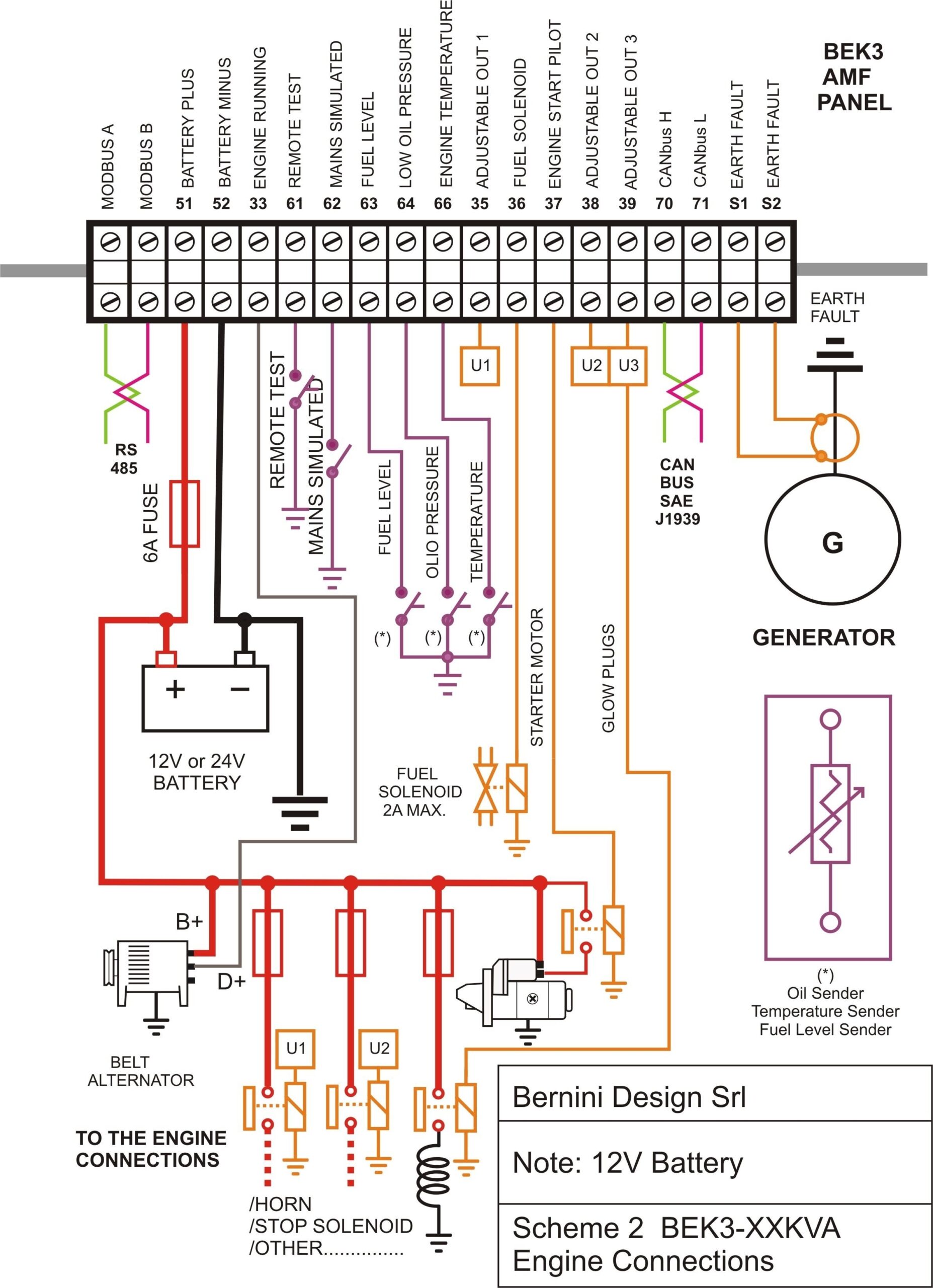 Automotive Wiring Diagrams Explained
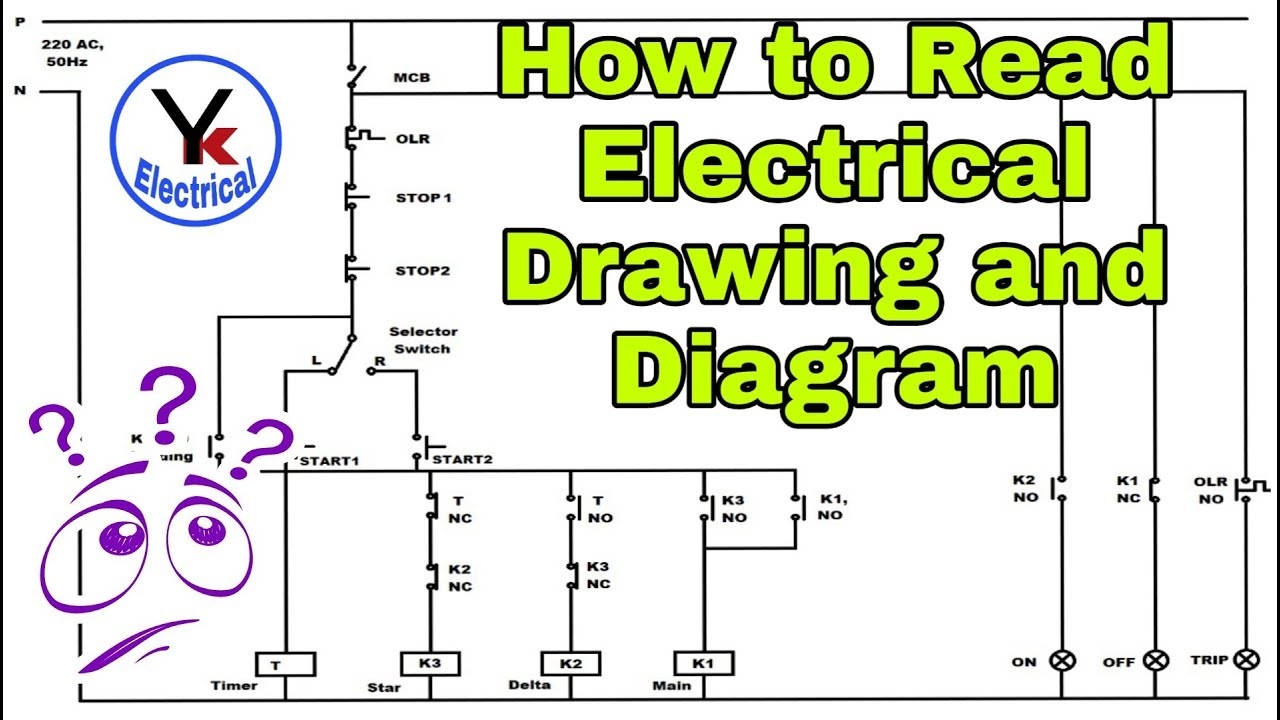 DIAGRAM Residential Electrical Wiring Diagrams Of 1940 MYDIAGRAM ONLINE
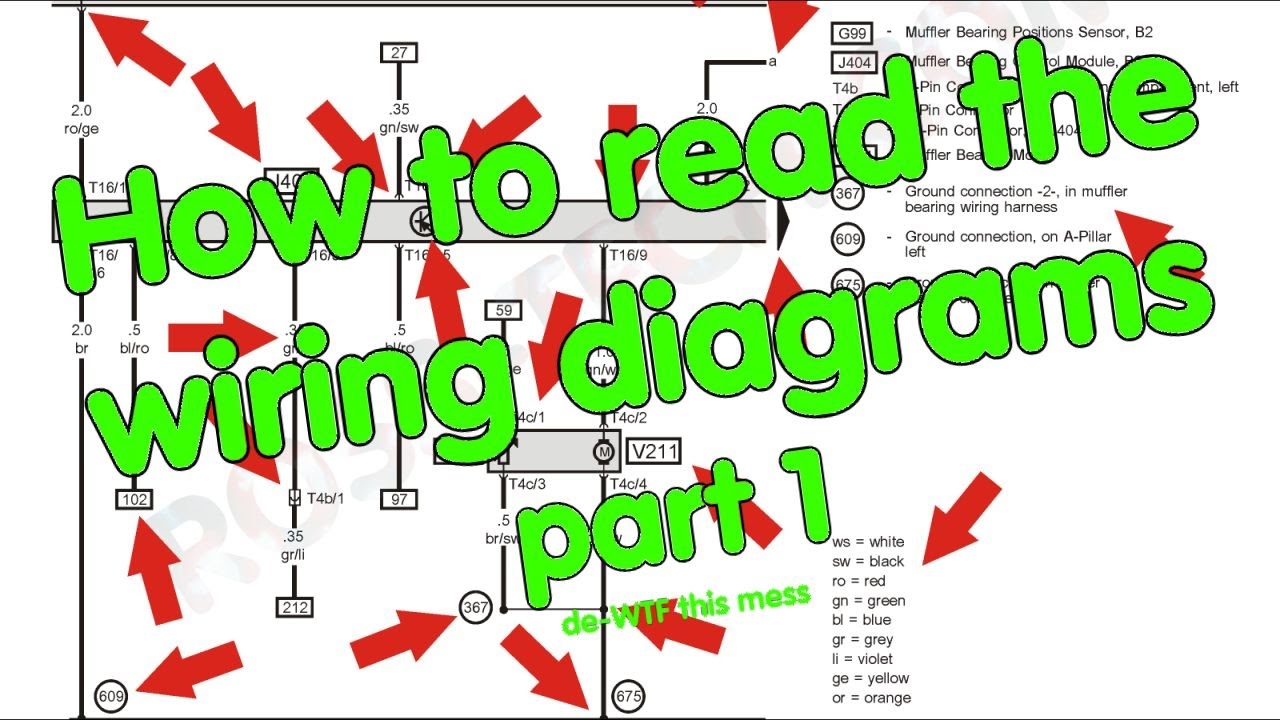 Electrical Wiring Diagrams Book
Body
One of the first things to look for in a wiring diagram is the key or legend, which explains the symbols used in the diagram. Common symbols include lines to represent wires, circles for connections, and various shapes for different components like switches, relays, and motors. Familiarizing yourself with these symbols will make it easier to understand the overall layout of the circuit.
Next, identify the power source in the diagram, usually denoted by a + symbol. Follow the path of the power flow through the circuit, noting where it branches off to different components or switches. Understanding how power is distributed and controlled within the circuit is crucial for troubleshooting and making modifications.
Pay attention to how components are connected in the diagram, whether in series or parallel. Series connections have components arranged in a single line, with the current flowing through each component in sequence. Parallel connections involve components connected side by side, allowing the current to flow through multiple paths simultaneously. Knowing the difference between these connections will help you understand how the circuit functions.
Finally, practice reading and interpreting wiring diagrams by working on hands-on projects or studying diagrams from various sources. The more exposure you have to different types of circuits and components, the more comfortable you will become with reading and understanding wiring diagrams. Don’t be afraid to ask for help or seek out resources online to expand your knowledge.
With dedication and practice, learning how to read wiring diagrams will become second nature, enabling you to tackle electrical projects with confidence and efficiency. Remember to approach each diagram methodically, breaking it down into manageable sections and referring to the key or legend as needed. By mastering this skill, you will be better equipped to handle any electrical challenges that come your way.