Rv/Inverter Wiring Diagram – Master Your Electrical System Better with a Clear Electrical Schematic
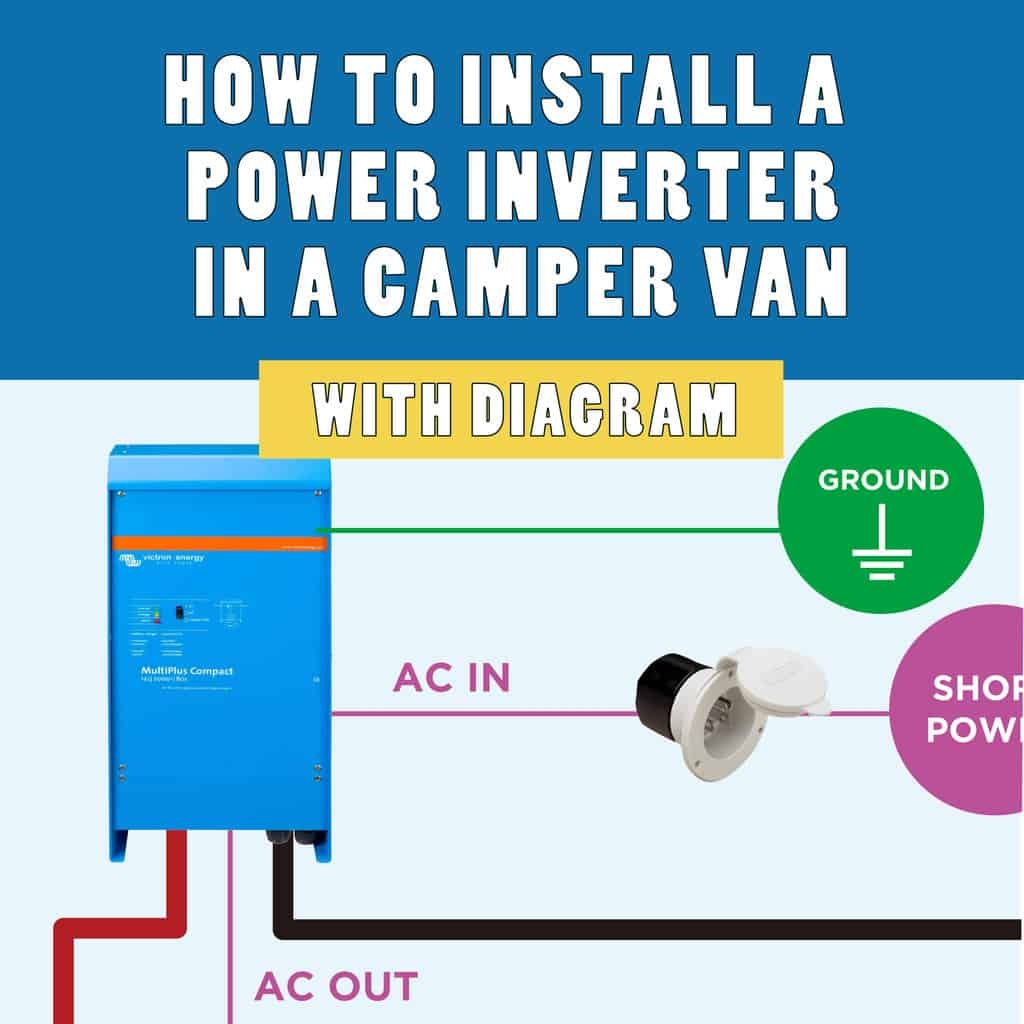 Rv/Inverter Wiring Diagram
Whether you’re involved in a DIY home upgrade or fixing your car, having a easy-to-read wiringdiagram is essential. It helps you visualize how circuit elements are connected and ensures a safe, efficient setup.
Whether you’re a small business owner, administrator, or independent contractor, using aRv/Inverter Wiring Diagram helps ensure compliance with regulations. Simply access the template, print it, and complete it by hand or type directly into the file before printing.
A wiringdiagram visually represents wiring systems, showing the paths for current flow and how different parts like controls, plugs, fuses, and connectors interact. This makes it easier to spot errors, make upgrades, or add components without trial and error.
Rv/Inverter Wiring Diagram
Many websites offer complimentary or tailored electrical schematic templates for automobiles, household electronics, lighting systems, and more. These diagrams are particularly valuable for hobbyists, technicians, and builders who need clear references.
By using a proper electrical Schematic, you reduce the risk of errors, cut down time, and ensure all projects is up to code. Don’t start your next electrical task blindly—search for a professional wiring diagrams and work with confidence today!
Get and Print Rv/Inverter Wiring Diagram
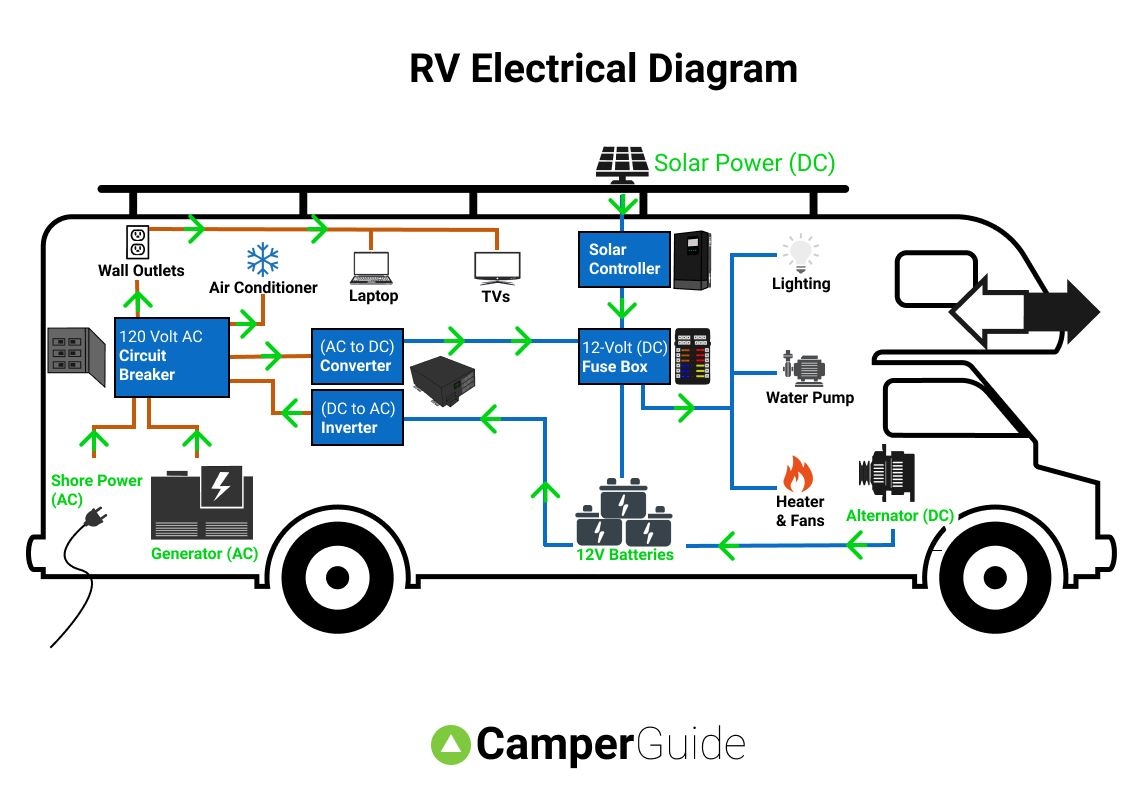 Wiring Diagram For An Rv Inverter Install
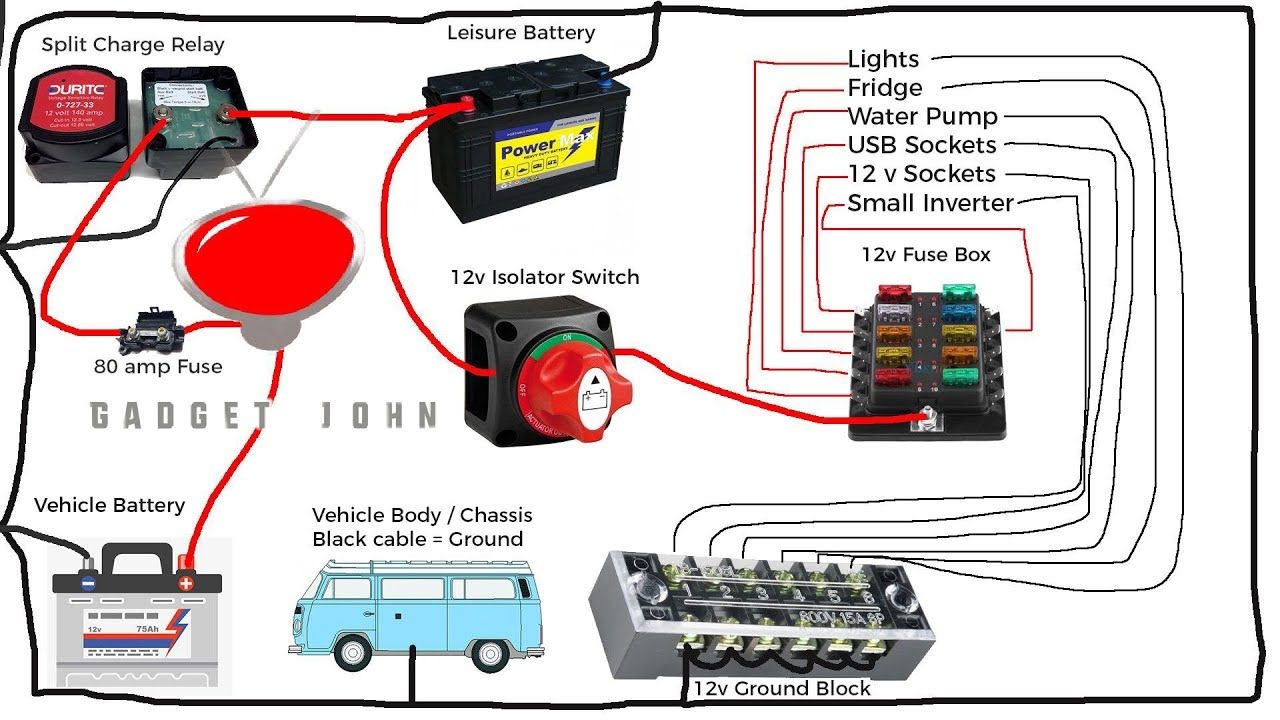 Rv Inverter Wiring Diagrams
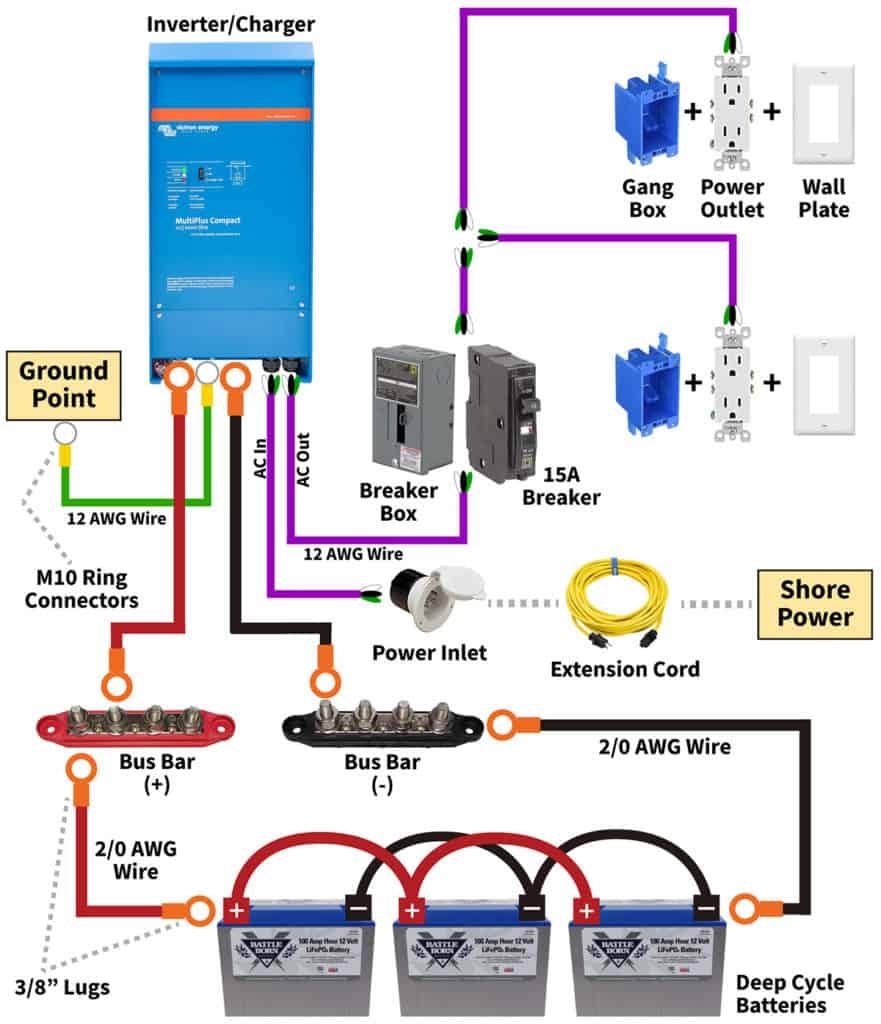 Practical RV Inverter Charger Wiring Diagram For Easy Installation
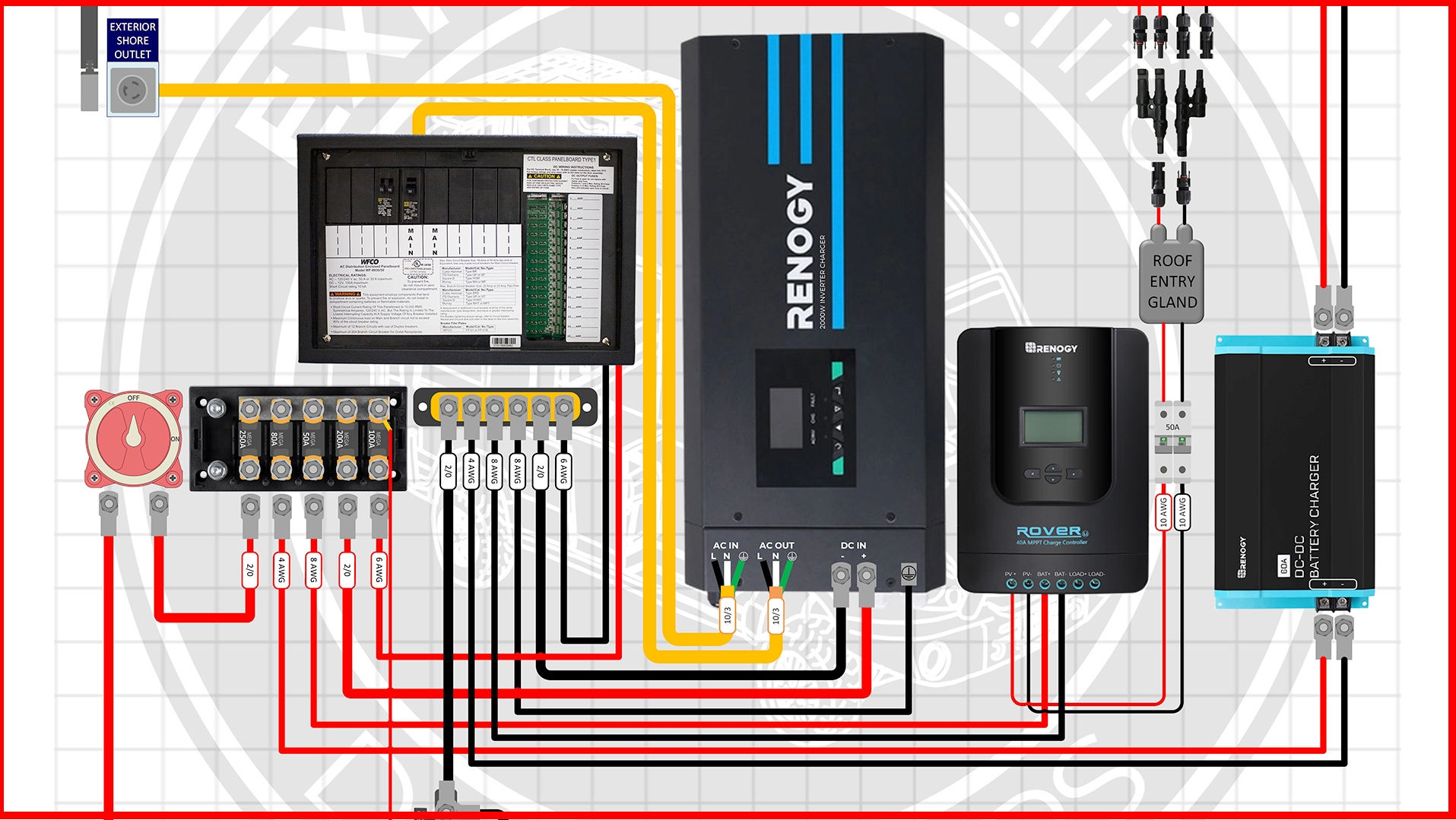 Rv Inverter Wiring Diagram
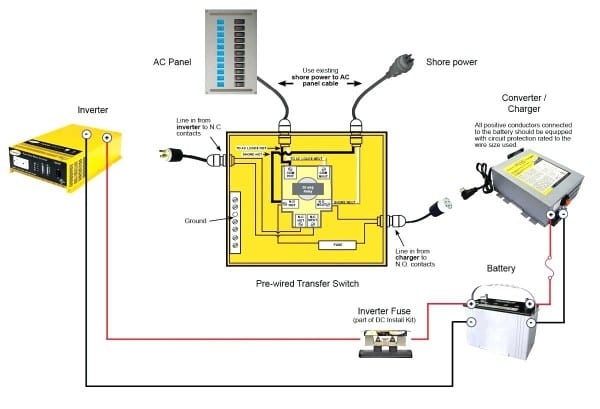 Rv Inverter Wiring Diagram
Rv/Inverter Wiring Diagram
When it comes to setting up an RV with an inverter, proper wiring is key to ensuring everything runs smoothly. An inverter allows you to use your RV’s battery power to run appliances and electronics when you’re not connected to shore power. Understanding how to properly wire your inverter can help prevent electrical issues and ensure the safety of your RV.
Before you begin wiring your RV with an inverter, it’s important to have a clear understanding of the components involved and the overall layout of your RV’s electrical system. Make sure to gather all the necessary tools and materials before starting the wiring process to avoid any interruptions.
To start the wiring process, you’ll need to connect the inverter to the RV’s battery. This typically involves running heavy-gauge cables from the inverter to the battery terminals. Make sure to use proper cable sizing to handle the power load and minimize voltage drop. It’s important to follow the manufacturer’s instructions for connecting the inverter to the battery to ensure proper operation.
Next, you’ll need to connect the inverter to the RV’s electrical system. This may involve installing a sub-panel to distribute power from the inverter to the various outlets and appliances in the RV. It’s important to properly size the sub-panel and wire it according to the manufacturer’s guidelines to prevent overloading the inverter or causing electrical issues.
Once the inverter is properly connected to the battery and electrical system, it’s important to test the system to ensure everything is functioning correctly. Check all outlets and appliances to verify they are receiving power from the inverter. Make any necessary adjustments to the wiring or connections to address any issues that may arise.
In conclusion, wiring an RV with an inverter requires careful planning and attention to detail to ensure everything operates smoothly. By following the manufacturer’s instructions and properly sizing cables and components, you can create a reliable electrical system that allows you to enjoy the comforts of home while on the road.